The FDA accepted a new drug application for suzetrigine, a non-opioid analgesic, based on the results from clinical trials in patients with neuropathy and those post-surgery.

The FDA accepted a new drug application for suzetrigine, a non-opioid analgesic, based on the results from clinical trials in patients with neuropathy and those post-surgery.
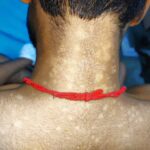
Autoimmune rheumatic diseases (AIRDs) are known for their systemic presentations and multi-organ involvement. Numerous infectious diseases, particularly mycobacterial, fungal and indolent bacterial infections endemic to specific geographic regions, present with varied signs and symptoms of multi-system involvement and can mimic AIRDs. Thus, differentiating infection from an AIRD is critical to resolve competing treatment approaches. This…
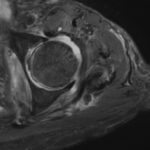
Renal osteodystrophy is associated with chronic kidney disease (CKD) and its associated metabolic derangements, most commonly CKD stages 3–5. It is often subclassified into four histological subtypes, with definite distinctions unable to be made clinically. These four subtypes, which may only be differentiated by bone biopsy, include: osteitis fibrosa cystica, mixed uremic osteodystrophy, osteomalacia and…

“Our patients’ goals for their care aren’t always the same as ours. We’re typically focused on disease control, and they’re often focused on quality of life. Having ongoing discussions about care goals is the only way to know when it’s time to switch gears. Would you know when to refer your patients to palliative care?…

Systemic lupus erythematosus (SLE) is a prototypic autoimmune disease that primarily affects young women and causes a wide range of inflammatory manifestations. Its hallmark is the production of antibodies to components of the cell nucleus (anti-nuclear antibodies [ANAs]). …

This year’s theme for Rheumatic Disease Awareness Month focuses on self-management, aiming to provide tools and tips to empower patients, boost awareness about the importance of self-management and, ultimately, improve patient outcomes.
Rheumatologists are uniquely positioned to care for patients with sarcoidosis. Here are insights into the condition, its treatment and more.
Figueroa-Parra et al. set out to evaluate the effect of glucocorticoid regimens on renal response, infections and mortality rates among patients with lupus nephritis (LN). The researchers analyzed the control arms of randomized clinical trials and found a higher exposure to glucocorticoids during the initial treatment of LN was associated with better renal outcomes, at the cost of increased infections and mortality.

Upadacitinib, as a tablet and oral solution, is now FDA approved to treat children age 2 years and older with active polyarticular juvenile idiopathic arthritis or psoriatic arthritis.

Lupus Fog? By Laura C. Plantinga, PhD, Patricia P. Katz, PhD, S. Sam Lim, MD, MPH, C. Barrett Bowling, MD, MSPH, & Jinoos Yazdany, MD, MPH Why was this study done? Perceived cognitive impairment (i.e., lupus fog) is common in systemic lupus erythematosus (SLE). However, comprehensive, multidomain assessments of objective cognitive function are rarely performed….