Supported by data in patients with new-onset and relapsing giant cell arteritis (GCA), the FDA approved upadacitinib for the treatment of adults with GCA.

Supported by data in patients with new-onset and relapsing giant cell arteritis (GCA), the FDA approved upadacitinib for the treatment of adults with GCA.

Attention to factors beyond the standard nociceptive model of painin patients with hand OA, including psychosocial considerations &other comorbidities, may impact a patient’s pain perception &pain course.

Injected abatacept may be a worthwhile treatment for certain patients with idiopathic inflammatory myositis (IIM), according to recent research.1 Patients with the rare autoimmune conditions involving inflammation of muscle (myositis) and other organ systems suffer widespread organ dysfunction, increased morbidity, physical disabilities and early death. Symptoms vary by subtype. For example, dermatomyositis (DM) involves muscle…

Initial findings from a phase 2b clinical trial demonstrate the safety and efficacy of three different daily doses of SAP-001 to lower the serum urate levels of patients with refractory gout.
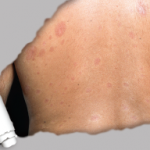
Based on research showing improved signs and symptoms of systemic sclerosis in patients taking cilnidipine vs. placebo, the FDA granted orphan drug designation for the agent.

Nipocalimab, an investigational monoclonal antibody that blocks FcRn and reduces levels of circulating immunoglobulin G (IgG) antibodies, has received the FDA’s breakthrough therapy designation for the treatment of Sjögren’s disease.

Based on research in post-surgery patients, the FDA approved suzetrigine, a non-opioid analgesic, for the treatment moderate to severe, acute pain in adults.
The FDA approved an oral solution of colchicine for the prevention of gout flare in adults. Its dosage can be easily adjusted on the basis of patient needs.
Yalamanchili et al. describe how trends in disease-modifying anti-rheumatic drug (DMARD) use have evolved for insured, U.S. patients with juvenile idiopathic arthritis. Overall, the study found that from 2000 to 2022 in this patient population the use of biologic and targeted synthetic DMARDs rose, while the use of conventional synthetic DMARDs declined.

Based on decades of data from dietary and other lifestyle interventions, doctors have long known that significant weight loss can be an effective treatment for people who are overweight and have knee osteoarthritis (OA). One meta-analysis showed that OA pain, function and stiffness scores improved by 2% for every 1% in lost weight.1 But the…