NEW YORK (Reuters Health)—New recommendations from the National Psoriasis Foundation Medical Board suggest that losing weight by following a low-calorie diet can reduce psoriasisseverity in overweight patients, but there is little evidence to support other dietary interventions. “Our psoriasis patients have long asked us about the role of diet on psoriasis,” Dr. April Armstrong of the…
Search results for: exercise

Video Education: Patient Outreach Effort Offers Education about Cardiovascular Risks
Experts in rheumatoid arthritis, cardiovascular health and education have joined forces to create a video intervention designed to help patients understand their risks for heart attack and stroke, as well as how to reduce these risks. Early research into this educational intervention shows the video is effective…

Researchers Seek to Predict & Prevent Rheumatoid Arthritis
Preventing adverse outcomes in individuals who have rheumatic diseases is a daily goal for rheumatologists. For example, rheumatologists prescribe medications and perform screening to prevent erosions in rheumatoid arthritis (RA), renal failure in systemic lupus erythematosus and flares across all diseases. Many of these actions are classified as secondary or tertiary prevention, because individuals have…
Larger Weight Loss Tied to Greater Improvements in Arthritic Knees
(Reuters Health)—Obese people with knee osteoarthritis (OA) may find greater symptom relief when they lose larger amounts of weight, a recent study suggests. Researchers examined data on 240 obese adults with pain from knee OA who were participating in an 18-month experiment to see how diet alone or diet plus exercise affected their health. Participants…
Hip Bone Deterioration May Differ Significantly Between Men & Women
NEW YORK (Reuters Health)—Various image analysis techniques show sex-specific patterns of bone deterioration at the hip, suggesting that men and women should be assessed differently for hip fracture risk, researchers say. “One major contribution of this work is the integration of data-driven computational anatomy approaches, which showed that proximal femur fragility linked to fracture seems…

Tips & Tools for Dealing with Bad Patient Outcomes
Bad things happen to good rheumatologists—and to their patients—and can have profound personal and professional consequences for the doctor. Sometimes recommended treatments can have predictable, but devastating, side effects. Even if the rheumatologist does everything right according to evidence-based best practice, patients can still have bad outcomes, even die—with resulting feelings of sadness, anger, guilt…
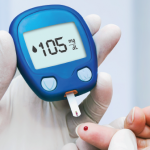
6 Things Endocrinologists Want Rheumatologists to Know
In your daily contact with rheumatology patients, you likely come across several who have type 1 or 2 diabetes. Are you doing all you can to maximize their treatment? Most physicians know about the damaging health effects of uncontrolled diabetes. From vision loss to kidney failure to nerve damage, those with diabetes require regular vigilance…
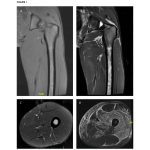
Case Review: MRI Leads to Non-Rheumatic Diagnosis Surprise
Rheumatologists often rely on magnetic resonance imaging (MRI) in the evaluation of suspected muscular diseases. Here, we describe a case in which unexpected findings on MRI pointed to a diagnosis rarely considered as a mimicker of rheumatologic disease. The Case A 19-year-old man of Middle Eastern descent was admitted to our hospital for evaluation of…
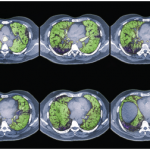
Should You Treat SSc with Cyclophosphamide or Mycophenolate?
Patients with scleroderma, systemic sclerosis (SSc), myositis and rheumatoid arthritis (RA) may develop interstitial lung disease (ILD), which affects a patient’s breathing and quality of life. Prospective studies have revealed that in patients with SSc a greater rate of decline of forced vital capacity (FVC) is associated with increased mortality. Although corticosteroids are commonly used…
Existing CT Scans as Good as DXA for Assessing Hip Fracture Risk
NEW YORK (Reuters Health)—A “biomechanical” analysis of a previously taken pelvic or abdominal computed tomography (CT) scan is at least as accurate in assessing an individual’s hip fracture risk as a dual-energy X-ray absorptiometry (DXA) scan, according to new research. This accuracy of the hip bone mineral density (BMD) T-score as measured by the biomechanical…
- « Previous Page
- 1
- …
- 33
- 34
- 35
- 36
- 37
- …
- 79
- Next Page »