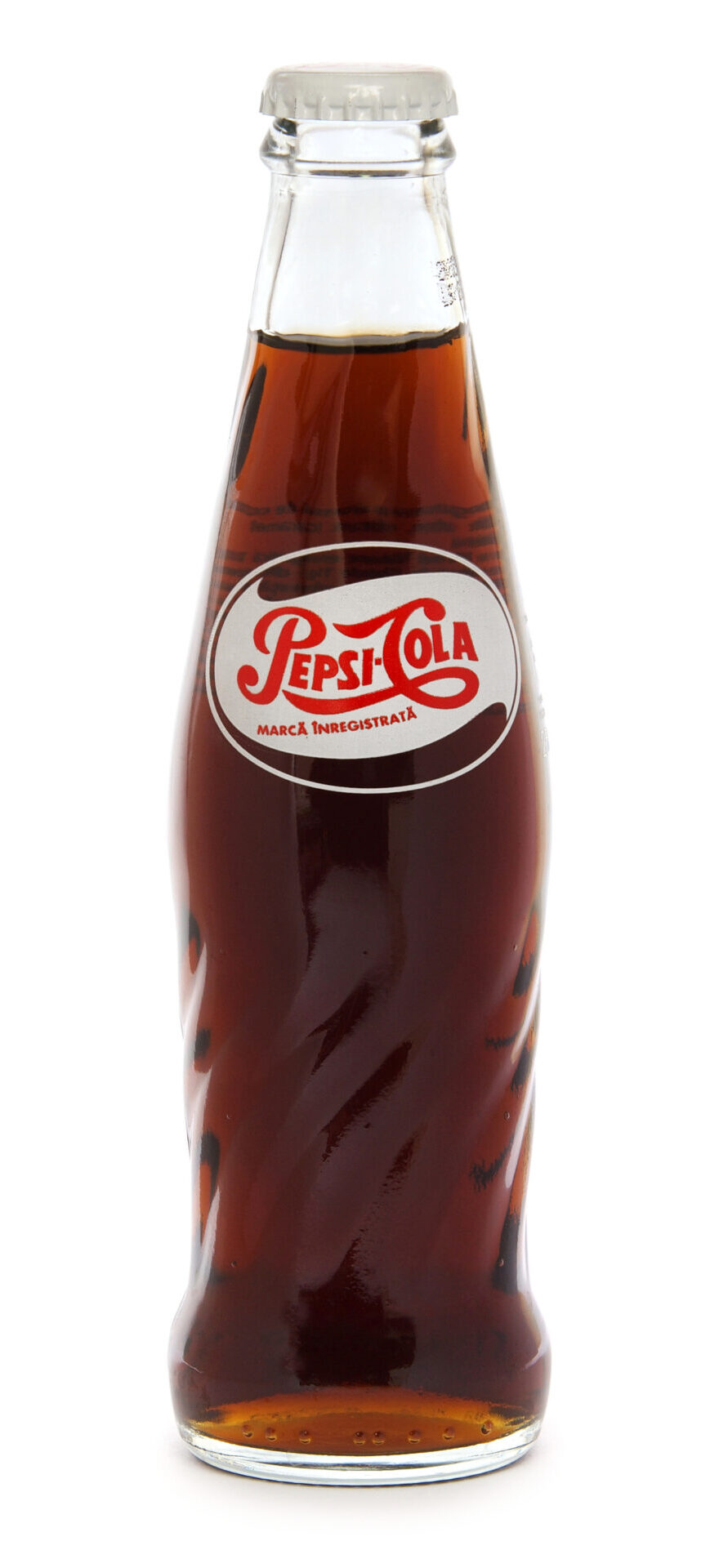
 It wasn’t exactly a New Year’s resolution. But sometime in mid-December 2024, I realized I was drinking way too much soda. It had become a mindless habit. As soon as I cracked open the can and guzzled down some sugary fizz, I felt a sense of relief and reward. It became a habit as I finished my work at home, perhaps as a Pavlovian response to the unpleasant tasks of writing copious amounts of notes and following up on less than interesting tasks at home.
But that’s the thing about mindlessness: the moment that you start thinking about it, it starts to lose its grip. On a snowy day in mid-December, I was talking with a patient about dietary modifications for gout. As part of the counseling, the patient disclosed a “daily habit” of drinking soda. While his was a different case—he required more up-titration of his urate-lowering therapy rather than down-titration of soda—the way how he was talking about soda had parallels to the way I was conceptualizing and, apparently, downplaying my own soda habit.
The Allure of Bubbles
If you say it out loud, it doesn’t make sense. You choose to drink black water with carbon dioxide, excessive sugars and corrosive acids. As a physician, you know it is associated with any number of negative health outcomes, from increased dental caries to cancer risk and cardiovascular disease.1 As a rheumatologist, you additionally know that it contributes to inflammation and immune derangement.2-4
Yet there is something oddly hypnotic about those bubbles. They materialize on the side of glasses. They rise enthusiastically to the top. They sparkle and effervesce. They are transient reminders that we will all become flattened by time. When these bubbles reach your palate, they synergize with the cold and sweetness in a multi-sensory manner. The motor instinct of raising a glass or a can to the mouth in anticipation adds to this mini-ritual.
Moreover, it’s considered normal in our society. I remember one of my rheumatology mentors in residency, Robert W. Lightfoot Jr., MD, walking with two bottles of Diet Pepsi during rounds. It seemed to energize him. In fact, it was so important that, on the rare times he forgot to bring those bottles, Dr. Lightfoot gave us some quarters and had one of us residents go to the nearest vending machine. There’s no doubt it was a quirk of his, but we found it endearing instead of a potential health issue. You could imagine a few decades earlier a mentor might have sent us out for cigarettes with the same degree of routineness.
This normality is what makes dependence so insidious. Because drinking soda is fairly normal in our society, it’s easy to rationalize it away as a personal choice rather than a core determinant of health. Additionally, because there is so little friction between wanting the soda and drinking it, the habit is created and reinforced.
Of course, it’s not just soda. Any habit or behavior that becomes so automatic threatens to infringe on our sense of agency. Our human experience is largely based on awareness. So when we do things for no good reason, we lose a potential opportunity to live our lives to the maximal possibilities.
A Mirror to the Clinic
I know I can’t be alone in this. Every day in our clinics, we meet patients trying to disrupt their own automated scripts. Whether it’s smoking, sedentary routines or poor sleep habits, the challenge is rarely ignorance. Most people know what they should be doing. However, knowing and doing are two completely distinct concepts.
In rheumatology, we often focus on precision: antibody profiles, biologic mechanisms and targeted therapies. This emphasis on precision seems to falter, though, when we discuss lifestyle issues. Rightfully so, we provide advice to our patients to exercise more, cut out stress, optimize nutrition and build supportive routines. How precise are these pieces of advice? If I went to a primary care doctor and they had told me to stop drinking soda, would that have prompted me to stop my soda habit? Probably not.
As I meditated about reducing soda intake and how it relates to my clinical work, I recognize that fostering change is not simply a matter of willpower. It’s about the identities we form, the values we champion and the patterns we see in the world around us. Telling someone to stop smoking or drinking or even doomscrolling is incredibly tin-eared without focusing on the deeper causes that are leading to this automaticity.
Even more to the point, asking someone to lose something in their lives is not a tenable task. After all, the habits we want to change are serving us in some way. The evening soda was a marker to distance myself from work (“I’m at home, and I can drink this soda”). If I took that away without substituting something else, then my day would feel unfinished. The same is true for our patients giving up their own habits, even if those habits come with severe metabolic, cardiovascular or immune consequences.
It’s humbling. My experience makes me more cautious in my counseling, less prescriptive and more probing. Before jumping into my well-worn phrases to broach smoking cessation, I now find myself asking: “What does smoking do for you? What would be hard about letting it go? What would make it easier to change?”
Craving & Control
Let me be crystal clear: I am not equating my soda use with a substance use disorder. But it has taught me to respect the concept of craving. The cycle of anticipation, consumption and reward, followed by the shame and the guilt.
The term addiction is a loaded one. It’s easy to apply it to other people and to otherize them as people who are hospitalized, whose lives are visibly unraveled and those who have fallen through our social safety nets. But when I examined my own habit through the lens of craving, I began to understand how craving operates in the background of everyday life. It doesn’t always announce itself with drama. Sometimes it hums along quietly, reinforced by culture, routine and just enough dopamine.
For me, soda was never about intoxication. It was about control. In the chaotic and uncertain world that we live in, there was something oddly comforting about the predictability of a cold can, always available, always the same. But like all things in life, that comfort comes at a cost: the erosion of choice.
Craving is not only about the substance. It’s about a relationship, between self and salve, and need and numbness. If we are being honest, many of us are managing our own little dependencies. In our stochastic field of rheumatology, we can understand how the desire for control may lead us down paths of craving.
Not Taking Away, But Adding
The first weeks of 2025 were, in a word, tough. In the absence of the routine, there was a sense of emptiness. The lack of soda felt conscious. I could imagine the fizziness on the roof of my mouth, which only made that consciousness more pressing. Although I would have loved to frame this as a victory of willpower, it was clear that sheer power of will would never be enough. It was clear I had to reestablish a relationship with a healthier substitute.
I tried sparkling water to make up for the fizz. It somewhat worked. I drank cold water to substitute those motor movements. That was refreshing. I tried warm tea to make up for the caffeine. It was helpful. However, none of these were soda.
Then I tried another approach, knowing how stubborn I am. I kept a soda bottle on my desk. And placed a timer there for 30 minutes. I would do my work for those 30 minutes, and if I was able to reach my goals, then I would have the option of going for the soda. This addition regulated me in a way that I couldn’t do by subtraction or substitution. It put me in a sense of control over the situation, rather than having the soda habit control me. Incidentally, it also took away that sense of remorse when I did drink the soda, because I had placed realistic expectations for myself.
Over the course of months, I slowly challenged myself to longer and longer times between soda sessions. Instead of an automatic, mindless habit, I learned to savor and be mindful of that multi-sensory experience. Soda was no longer the enemy, which was to be avoided and taken out like a poison. Instead, soda was a tool to better understand myself. The cravings were a barometer to recognize my stress levels and figure out healthier ways to manage them.
It was around April that I finally broke the soda habit altogether. That last soda bottle on my desk remains in that location gathering dust. It’s a reminder that I can choose to drink it, but I no longer need to. I still drink soda on the rare special occasion, but it no longer is the compulsion that it used to be.
Self-Knowledge & Self-Forgiveness
Perhaps the greatest gift of this year wasn’t the behavioral change, but the psychological insight. I learned how my cravings map onto stress, how my rituals signal identity and how my internal voice vacillates between the supportive and the punitive.
In retrospect, there were many missteps, and truthfully, they should have been expected. There were plenty of days when I told myself, “just this once, it’s been stressful.” There were other days where I felt I could add the stress of avoiding soda to already excessive stress of everyday life. After each time, I felt truly bad that I had failed. I tried to examine and pinpoint the sources of failure, but without any lasting success.
Once I let go of that concept of failure, it became easier to think through what happened. It wasn’t a lack of my willpower; it was due to my inflexibility. Without acknowledging why this ritual was important to manage my stress, I could never understand how I could change for the better.
In short, change is rarely linear. In medicine, where metrics and outcomes dominate our thinking, it’s easy to forget that not all progress can be plotted on a graph. I would contend that the majority of progress is invisible, known only to the person making the effort. That can be intensely isolating, and that toughness with oneself can eliminate opportunities for self-discovery and self-forgiveness.
Final Bubbles
It’s a strange thing to celebrate the absence of something. There’s no trophy for drinking less soda, no ribbon for resisting familiar reflexes. But in small, quiet acts of restraint, I found something unexpectedly nourishing. By striving for change, I uncovered not just discipline, but a deeper sense of agency and a renewed understanding of my own limitations and motivations. In this process, I found new empathy for the people I care for in clinic.
As rheumatologists, we spend our days navigating immune dysregulation, joint inflammation and a dizzying panoply of therapeutic regimens. But beneath it all, are patients striving, often invisibly, to live fuller, more meaningful lives. Their efforts rarely show up on lab reports or imaging studies, but their efforts are no less real. My own experiment in letting go of a habit reminded me that the road to improvement isn’t paved with perfect choices. It’s made of pauses, pivots and the willingness to try again.
So here’s to 2026. May we enter this new year with humility for the journey, forgiveness for the missteps and respect for even the smallest acts of awareness. After all, progress isn’t measured by perfection. It’s measured by persistence.
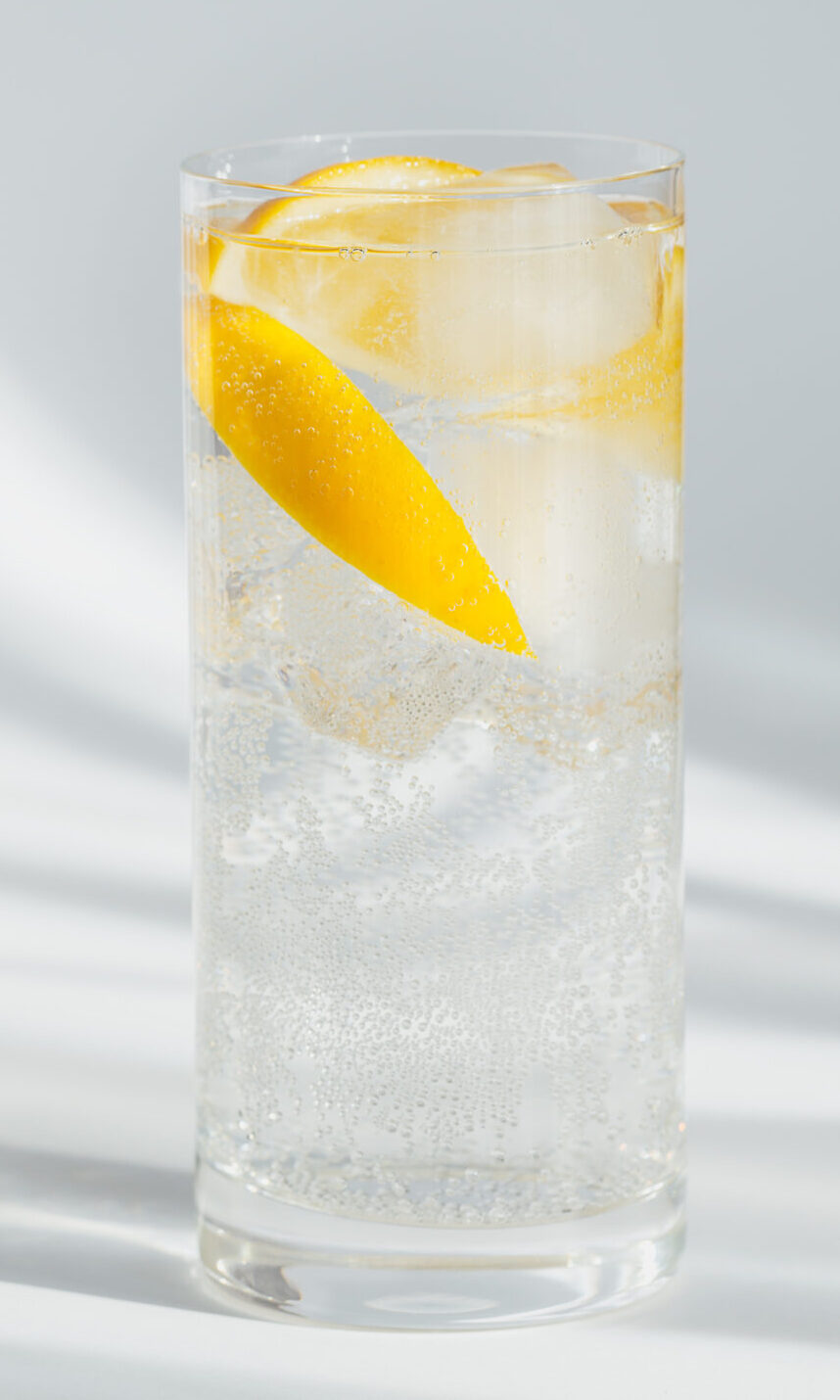
I’ll gladly raise my glass of sparkling water with a twist of lemon to that.
 Bharat Kumar, MD, MME, FACP, FAAAAI, RhMSUS, is the director of the rheumatology fellowship training program at the University of Iowa, Iowa City, and the physician editor of The Rheumatologist. Follow him on X (formerly Twitter) @BharatKumarMD.
References
- Bernstein AM, de Koning L, Flint AJ, et al. Soda consumption and the risk of stroke in men and women. Am J Clin Nutr. 2012 May;95(5):1190–1199. doi: 10.3945/ajcn.111.030205. Epub 2012 Apr 4. PMID: 22492378; PMCID: PMC3325840.
- Hu Y, Costenbader KH, Gao X, et al. Sugar-sweetened soda consumption and risk of developing rheumatoid arthritis in women. Am J Clin Nutr. 2014 Sep;100(3):959–967. doi: 10.3945/ajcn.114.086918. Epub 2014 Jul 16. PMID: 25030783; PMCID: PMC4135503.
- DeChristopher LR, Uribarri J, Tucker KL. Intake of high-fructose corn syrup sweetened soft drinks, fruit drinks and apple juice is associated with prevalent arthritis in US adults, aged 20–30 years. Nutr Diabetes. 2016 Mar 7;6(3):e199. doi: 10.1038/nutd.2016.7. PMID: 26950480; PMCID: PMC4817078.
- Dey M, Cutolo M, Nikiphorou E. Beverages in rheumatoid arthritis: What to prefer or to avoid. Nutrients. 2020 Oct 15;12(10):3155. doi: 10.3390/nu12103155. PMID: 33076469; PMCID: PMC7602656.