It’s as though younger adults with OA and their disease are invisible not only to rheumatologists but to themselves as well, she said. Authors of the study did well to point out that recognition from both could lead to treatment sooner. “We need to help with symptoms,” Dr. Hannan said, “and we need to think about approaches to care earlier in the disease course rather than waiting decades until they get diagnosed at age 55, 60, 70 [years old].”
Dr. Hannan also reviewed a study that focused on the high burden of low back pain that affects people worldwide. A key takeaway is that the global obesity problem is affecting the prevalence of low back pain, which is greatly increasing among people with high body mass index, especially females.
Rehabilitation Science

Dr. Oatis
Carol Oatis, PhD, a physical therapist at Arcadia University, Glenside, Pa., discussed several studies in her lecture about rehabilitation science, which she noted has shifted from a practice that was opinion-based to one that is evidence-driven.
Two randomized trials looked at whether gait training would have an effect on patients with knee osteoarthritis.3,4 One study used an intervention group where patients were trained to modify the angle of foot progression and the other had patients walk as lightly as possible to decrease their load intensity, explained Dr. Oatis.
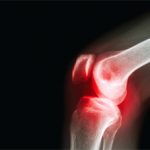
In the first study both the intervention and control groups improved but the patients given interventions showed a statistically significant decrease in pain and a reduced knee adduction moment, which is linked to knee pain. Both the control group and the intervention group in the second study also had less pain but no significant change in the loading parameters were seen in the intervention group.
The bottom line from both studies is that walking helps, Dr. Oatis said. “That wasn’t a terribly big surprise but the case for changing gait is still unclear,” she added. “It is, however, pretty promising and I think we’re left with a few more questions going forward. Who might benefit from changing their gait?”
Dr. Oatis also reviewed research on various aspects of physical therapy, such as exercise, the timing of physical therapy referrals and intra-articular injections post-diagnosis of knee OA, and a study on cost effectiveness.
Overall, the research shows that rehabilitation therapies are beneficial and have economic value in clinical practice, she said. One study showed a negligible uptake of 2022 ACR guidelines for exercise, rehabilitation, diet and other integrative interventions for patients with RA, indicating room for improvement.5