ACR Convergence 2025| Video: Rheum for Everyone, Episode 26—Ableism

An official publication of the ACR and the ARP serving rheumatologists and rheumatology professionals

  • Conditions
    • Axial Spondyloarthritis
    • Gout and Crystalline Arthritis
    • Myositis
    • Osteoarthritis and Bone Disorders
    • Pain Syndromes
    • Pediatric Conditions
    • Psoriatic Arthritis
    • Rheumatoid Arthritis
    • Sjögren’s Disease
    • Systemic Lupus Erythematosus
    • Systemic Sclerosis
    • Vasculitis
    • Other Rheumatic Conditions
  • FocusRheum
    • ANCA-Associated Vasculitis
    • Axial Spondyloarthritis
    • Gout
    • Lupus Nephritis
    • Psoriatic Arthritis
    • Rheumatoid Arthritis
    • Sjögren’s Disease
    • Systemic Lupus Erythematosus
  • Guidance
    • Clinical Criteria/Guidelines
    • Ethics
    • Legal Updates
    • Legislation & Advocacy
    • Meeting Reports
      • ACR Convergence
      • Other ACR meetings
      • EULAR/Other
    • Research Rheum
  • Drug Updates
    • Analgesics
    • Biologics/DMARDs
  • Practice Support
    • Billing/Coding
    • EMRs
    • Facility
    • Insurance
    • Technology
      • Information Technology
      • Apps
    • QA/QI
    • Workforce
  • Opinion
    • Patient Perspective
    • Profiles
    • Rheuminations
      • Video
    • Speak Out Rheum
  • Career
    • ACR ExamRheum
    • Awards
    • Career Development
      • Education & Training
    • Certification
  • ACR
    • ACR Home
    • ACR Convergence
    • ACR Guidelines
    • Journals
      • ACR Open Rheumatology
      • Arthritis & Rheumatology
      • Arthritis Care & Research
    • From the College
    • Events/CME
    • President’s Perspective
  • Search

Gout & Cardiometabolic Co-Morbidities

Jason Liebowitz, MD, FACR  |  October 28, 2025

Gout’s Metabolic Risk Factors

Dr. Schlesinger

The final speaker was Naomi Schlesinger, MD, a professor of medicine, endowed chair and chief of the Division of Rheumatology at the Spencer Fox Eccles School of Medicine at the University of Utah, who talked about the treatment of gout and its metabolic risk factors. Dr. Schlesinger noted that colchicine has anti-inflammatory effects that are mediated by inhibition of microtubule polymerization and suppression of neutrophil and inflammasome activity. The use of colchicine has been shown to reduce major adverse cardiovascular events in large randomized trials of patients with coronary artery disease. The COLCOT and LoDoCo2 trials demonstrated that low-dose colchicine (0.5 mg daily) reduced the risk of MI, stroke, coronary revascularization and cardiovascular death by 23–31% compared with placebo, with benefits additive to standard therapies such as statins and antiplatelet agents.14-15 In 2023, the FDA approved low-dose colchicine for secondary prevention in adults with established atherosclerotic disease or multiple cardiovascular risk factors.

A very hot topic of late has been the role of sodium–glucose cotransporter 2 (SGLT2) inhibitors in the treatment of gout. Mechanistically, SGLT2 inhibitors lower serum urate by promoting glycosuria, which competes with urate for reabsorption in the proximal tubule and thus enhances urinary urate excretion. Additional anti-inflammatory effects, such as suppression of IL-1β and downregulation of xanthine oxidase via SIRT-1 signaling, may further contribute to reduced gout flares and cardiovascular risk. Meta-analyses of randomized controlled trials confirm that SGLT2 inhibitors significantly reduce the risk of composite gout outcomes, with dapagliflozin and canagliflozin showing particularly strong urate-lowering effects.16-17 These benefits appear independent of baseline serum urate and are not limited to patients with diabetes, suggesting broader applicability in populations at risk for gout. Thus, SGLT2 inhibitors may offer dual benefit for patients with coexisting diabetes and gout, though the potential benefit for treating gout alone with these medications is less well established and should be considered adjunctive rather than primary therapy.

ad goes here:advert-1
ADVERTISEMENT
SCROLL TO CONTINUE

Even though gout is an old disease, the concepts covered by the speakers were timely and relevant to the clinical audience. Those in attendance looked into the crystal ball of gout and can see a future in which the disease continues to receive the research attention it deserves, leading to improvements in patient care.
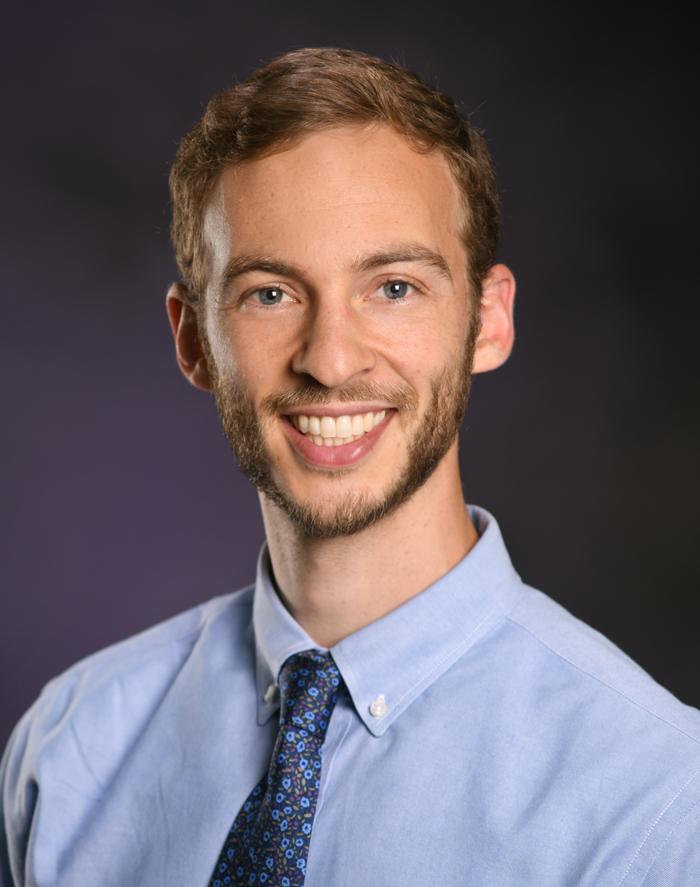

Jason Liebowitz, MDJason Liebowitz, MD, FACR, is an assistant professor of medicine in the Division of Rheumatology at Columbia University Vagelos College of Physicians and Surgeons, New York.


ad goes here:advert-2
ADVERTISEMENT
SCROLL TO CONTINUE

Page: 1 2 3 4 5 | Single Page
Share: 

Filed under:ACR ConvergenceConditionsGout and Crystalline Arthritis Tagged with:ACR Convergence 2025AllopurinolCardiovascular diseasecardiovascular riskColchicinecomorbiditiesFebuxostatGout Resource Centerhyperuricemiametabolic syndromeSGLT2 inhibitors

Related Articles

    Gout, Glucose Metabolism and Obesity: A Case Review

    November 2, 2014

    New research explores association between hyperurecimia and gout with metabolic derangement

    Treating Asymptomatic Hyperuricemia Could Lower Risk of Developing Chronic Conditions

    August 12, 2016

    When uric acid becomes elevated in the human body, a variety of problems can develop, most notably gout—a painful, inflammatory arthritis caused by uric acid crystal deposition in joints. Chronically elevated uric acid can also lead to painful kidney stones. The majority of patients found to have hyperuricemia, however, never go on to develop gout…

    Clinical Insights into Gout Management: Rheumatology Drugs at a Glance Pt. 4

    October 14, 2019

    Three clinical experts on gout offer their insights into common management errors, clinical pearls, new safety data from the FDA and the role of biologic therapies in the management of gout.

    Gout Research at a Glance: ‘My picks for the top research in gout presented at ACR Convergence 2021’

    November 10, 2021

    Dr. Lisa Stamp helps filter the noise to get to the key insights from the research abstracts on gout presented at ACR Convergence 2021.

  • About Us
  • Meet the Editors
  • Issue Archives
  • Contribute
  • Advertise
  • Contact Us
  • Copyright © 2025 by John Wiley & Sons, Inc. All rights reserved, including rights for text and data mining and training of artificial technologies or similar technologies. ISSN 1931-3268 (print). ISSN 1931-3209 (online).
  • DEI Statement
  • Privacy Policy
  • Terms of Use
  • Cookie Preferences