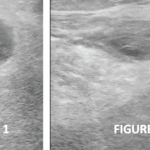
Although first described in mouse models, this phenomenon has since been demonstrated in humans. In acute onset rheumatoid arthritis, magnetic resonance imaging demonstrated expanding popliteal lymph nodes while patients with end-stage, chronic RA have small, collapsed popliteal lymph nodes.5 Similarly, Bell and colleagues demonstrated that healthy hands are able to efficiently drain lymphatic fluid, while patients with active, symptomatic rheumatoid arthritis are have impaired ability to drain indocyanine green, with complete loss of drainage from some lymphatic vessels.6
Lymphatic Models in Inflammatory Arthritis
The lymphatic system is a relatively simple network because there are only two component cells: lymphatic endothelial cells and lymphatic muscle cells. Dr. Schwarz highlighted the work of Scallan et al., who developed an ex vivo system to study the contractile ability of the popliteal lymphatic vessel. Once the lymphatic vessel was removed ex vivo and cannulated, it was flushed with fluid, and they observed coordinated, tonic lymphatic vessel contractions.7
Dr. Schwarz contrasted this coordinated contractile ability with that seen in TNF alpha transgenic mice with inflammatory arthritis—meaning the mice have been genetically engineered to express the TNF-alpha gene leading to inflammation arthritis. In these mice, lymphatic contractions in expanding lymphatics demonstrate an engorged vessel with reduced tonicity and rhythm, while the collapsed lymphatic vessel is essentially non-functional.8 TNF transgenic mice were found to have lymphatic vessels devoid of the normal extracellular matrix, thus reducing contractible ability. Dr. Schwarz then posed the question, what comprises this extracellular matrix and what is its role?
Immersed in the extracellular matrix and buried in the vessel endothelium, popliteal lymphatic vessels are surrounded by mast cells. When these cells are removed or stabilized with cromolyn sodium in a TNF transgenic mouse model, this leads to loss of lymphatic drainage and exacerbation of inflammatory arthritis. This led to the proposal that endothelial mast cells help promote extracellular matrix production and release mediators, such as histamine, to stimulate vessel contractility.9
The Tale of the Telocyte
In an effort to generate a conditional-inducible genetic model in mice for gain and loss of function in lymphatic muscle cells, Dr. Schwarz and his laboratory ultimately discovered the presence of telocytes, which are fibroblastic cells present in all tissues. Telocytes are also known as “nurse cells” given their ability to transmit extracellular matrix, organelles, DNA and RNA into other cells and “nurse” them back to health. Structurally, telocytes have very long dendritic pods calls telopods to communicate with other cell types.