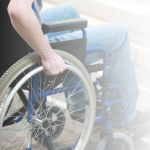
In rheumatology, this shift in mindset is especially relevant. A physician who uses voice-to-text software may better understand the difficulty in communication experienced by those with tracheomalacia. A trainee with hearing loss who relies on captioning may be more attuned to how we speak in jargon. And a clinician who navigates the world using a wheelchair may notice architectural or attitudinal barriers that others overlook. If our workforce reflects more of the patients we serve, I believe that our capacity to care would deepen.
That’s why it is essential for training programs to build welcoming environments in all their forms: structurally, culturally and educationally. Necessarily, this means more than just accommodating disability when it becomes a barrier. It means proactively designing systems that honor different ways of working and learning. Our goal should not be to overcome disability, but to embrace it as an asset.
Advantages of Addressing Ableism
Confronting ableism is not only a moral imperative. On the contrary, confronting ableism improves care for all patients. By designing for accessibility, we make our clinics more functional for everyone. Consider, if you will, a rheumatology clinic with:
- Visual signage;
- Height-adjustable exam tables; and
- Flexible appointment structures.
These are not just useful for people with disabilities. They benefit older adults, parents with strollers and patients with temporary injuries. In fact, they would likely benefit rheumatologists themselves.
Moreover, acknowledging ableism sharpens our diagnostic lens. When we listen more closely and resist assumptions about compliance or capacity, we uncover insights that might otherwise remain unheard. It might be unfair to label a patient who misses appointments “noncompliant” if they are unable to drive safely. Or as we commonly see in our clinic, a patient who avoids injections may not be needle phobic. Rather, they may have limited hand mobility or visual acuity.
Interprofessional teams play a critical role in this transformation. Interpreters, both for spoken language and for ASL, enable communication that might otherwise be impossible. Occupational therapists, social workers and care coordinators bring vital expertise in adapting the environment, streamlining access to resources and ensuring continuity of care. By embedding accessibility into every layer of the clinical team, we move from reactive accommodations to proactive adaptation, which benefits everyone regardless of disability status.
In any case, teaching medical students, resident physicians and other trainees to think about these issues early helps foster vital habits of curiosity and compassion. We should normalize the idea at all levels that health is not a binary of sick and well, but a complex biopsychosocial mosaic of adaptation. I am confident that this will lead to more humanistic care, not only for those who are diagnosed with disabilities, but for every single one of us.