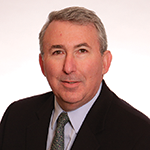
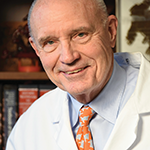
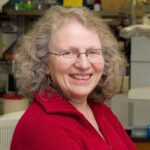
For over 30 years, Dr. Matteson has been a volunteer for the ACR. His many roles with the ACR have included service as a member of the Quality of Care Committee outcomes measures and guidelines panels, as a member of the Ethics Committee, as co-chair of the abstract selection committee for the annual ACR Convergence, as co-chair of the Winter Rheumatology Symposium planning committee and as chair of the Communications and Marketing Committee, at the time launching the Simple Tasks campaign and The Rheumatologist newsletter. He is past president of the Rheumatology Research Foundation and served on the ACR Executive Committee. Dr. Matteson is currently the chair of the ACR Global Engagement Committee, working to enhance teaching and patient care in the U.S. and internationally. He is an honorary member of the Rheumatology Societies of Chile, Uruguay, New Zealand, PANLAR and EULAR.
Distinguished Basic/Translational Investigator Award
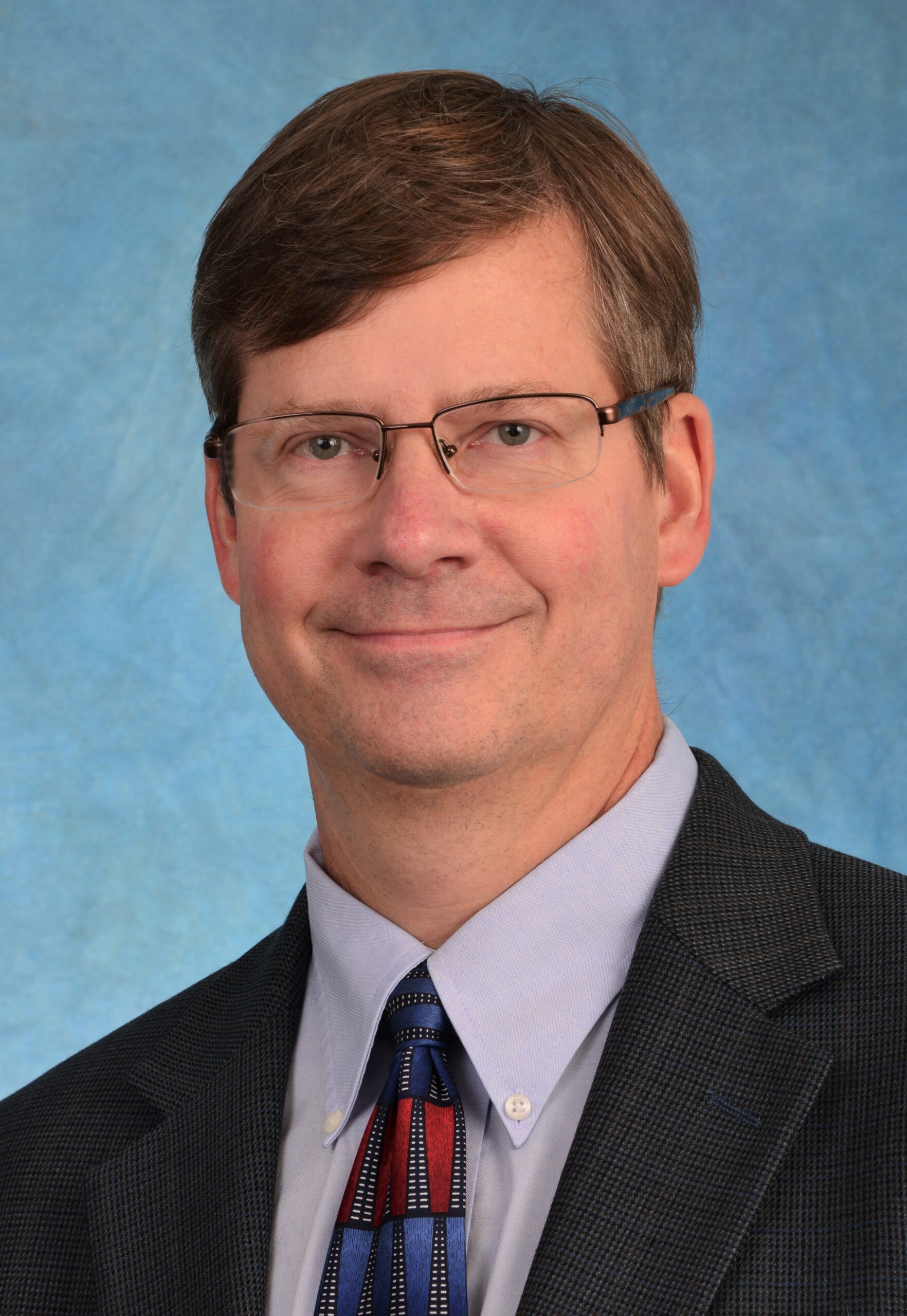 The Distinguished Basic/Translational Investigator Award, recognizing outstanding contributions to the field of rheumatology, was presented to Richard F. Loeser Jr., MD, MACR, the Joseph P. Archie Jr. Eminent Professor in the Division of Rheumatology, Allergy and Immunology and director of the Thurston Arthritis Research Center at the University of North Carolina at Chapel Hill. Dr. Loeser received his medical degree from West Virginia University School of Medicine, Morgantown, and completed his residency and fellowship training in internal medicine, rheumatology and geriatrics at the Wake Forest School of Medicine, Winston-Salem, N.C.