CHICAGO—With the ongoing rheumatologist shortage, more practices are adding advanced practice providers (APPs), such as nurse practitioners (NPs) and physician assistants (PAs). However, it takes real-world experience and strategy to find the right APPs for your practice and help keep them satisfied. In the ACR Convergence 2025 session titled, Optimizing Patient Access: Integrating APPs, New Physicians, and Best Practices in Rheumatology, presenters shared tips to work effectively with APPs.
Recruiting APPs
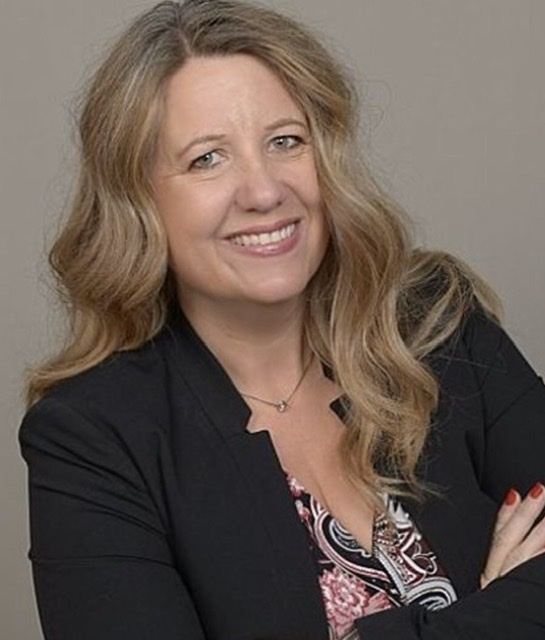
Dr. Kori Dewing
Kori Dewing, DNP, ARNP, with the University of Washington’s Northwest Outpatient Medical Clinic in Seattle, noted that the best place to find nurse practitioners is within your local nurse practitioner programs. She recommended asking about providing hours for their clinical rotations. At a minimum, this can expose students to rheumatology and potentially spark their interest, Dewing said.
“When I see students with a passion for disease management, I’ll talk to them about rheumatology and doing a rotation,” she added.
Nancy Ellis, MBA, practice administrator for Piedmont Arthritis Clinic in Greenville, S.C., has encountered APPs who started out working at hospitals but then applied to work at private practices. Seeing how things work within a private practice may pique their interest, she said.
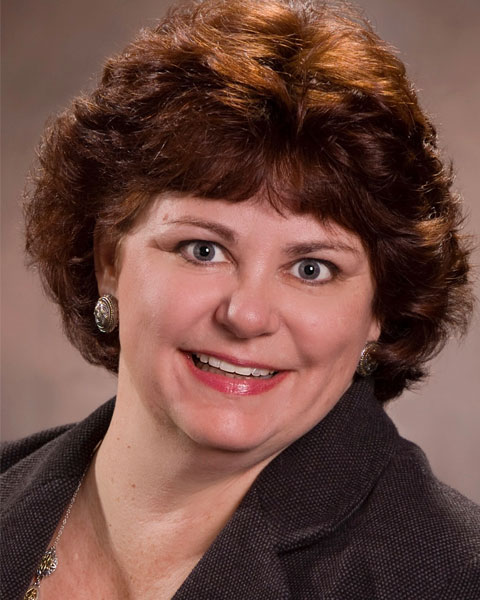
Ms. Nancy Ellis
As you work on recruiting APPs and even new, young MDs, make sure to give them a professional, structured recruiting experience, advised Colin Edgerton, MD, FACP, RhMSUS, with Articularis Healthcare in Charleston, S.C. This is often what they both expect and want.
It may take a little more spending to provide a higher-level recruitment experience, he said. Let APP recruits know of potential benefits and incentives, and prepare to expose them to practice routines. Priorities for an MD often include a competitive salary, a four-day work week and the possibility of becoming a partner in the practice, Ms. Ellis said.
When it comes time to decide what work an APP will handle, double-check your state laws. For example, some states may allow nurse practitioners to supervise an infusion suite, but not physician assistants.
Onboarding APPs
Although you may be eager for your APP to get to work and start seeing patients, you’ll benefit from taking time to train them thoroughly. It may take two to four months from hiring to when an APP sees their first patient.

Dr. Colin Edgerton
“If they’re green to rheumatology, I’d say six months,” Dr. Edgerton said. “People look at APPs and say, ‘Let’s get them in and get them seeing patients,’ but that’s a good way to lose the return on your investment if inadequate training leads to dissatisfaction and turnover.”