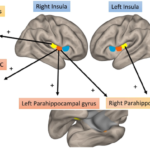
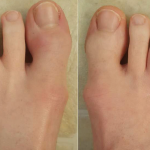
These findings are important in emphasizing the close relationship between inflammatory arthritis and CVD manifestations and, therefore, the need to control inflammation. In the future, studies are required to determine the effects of different therapies for PsA. In this regard, orchestrating the care of patients will likely benefit from a team approach to encompass best practices for managing traditional CVD risk factors, as well as inflammatory arthritis.
9. The Effects of JAKs on Bone Mineral Density
Wiebe et al., Abstract 03439
An important consequence of inflammatory arthritis is bone loss, which can occur both locally in the joint as erosions and systemically as skeletal bone loss; this bone loss reflects a complex interplay of the effects of inflammation, treatment (especially glucocorticoids) and decreased physical activity from pain from either active or chronic disease. Although PsA and rheumatoid arthritis (RA) show some differences in pathogenesis and demographic factors (e.g., male-female frequency), they are often treated with the same agents. The study by Wiebe et al. explored the effects of JAK inhibitors on measures of bone health in a population of 856 PsA and RA patients. The study involved dual X-ray absorptiometry (DXA) for bone mineral density; a trabecular bone score (TBS); and 3D structural parameters of the femur.
The average age of the patients studied was 65 years and 77% were female. In this population, osteoporosis was present in 24% of patients, but the majority had either normal bone density or osteopenia. Interestingly, although treatment with JAK inhibitors was not associated with T-scores, vertebral trabecular micro-architecture (indicated by the TBS), showed a positive association with JAK inhibitor use, suggesting a benefit on bone micro-architecture.
This study is important in elucidating the effects on bone health that can occur with broad inhibition of cytokine signaling by JAK inhibitors. Future studies should hopefully determine whether the effects on bone health vary with the specificity of JAK inhibitors and whether there are differences among the ever-increasing array of drugs, both biologic and non-biologic, to treat PsA.
10. Combatting Brain Fog
Mikolajczak et al., Abstract 142110
Like many inflammatory diseases, PsA is associated with such symptoms as fatigue, mood disturbances and cognitive dysfunction (i.e., brain fog) that are an important source of morbidity and a determinant of treatment response and clinical outcome. PsA is a painful condition, and it also involves cosmesis because of the presence of skin disease, which can contribute to depression and other symptoms that track with neuropsychologic findings.