ACR Convergence 2025| Video: Rheum for Everyone, Episode 26—Ableism

An official publication of the ACR and the ARP serving rheumatologists and rheumatology professionals

  • Conditions
    • Axial Spondyloarthritis
    • Gout and Crystalline Arthritis
    • Myositis
    • Osteoarthritis and Bone Disorders
    • Pain Syndromes
    • Pediatric Conditions
    • Psoriatic Arthritis
    • Rheumatoid Arthritis
    • Sjögren’s Disease
    • Systemic Lupus Erythematosus
    • Systemic Sclerosis
    • Vasculitis
    • Other Rheumatic Conditions
  • FocusRheum
    • ANCA-Associated Vasculitis
    • Axial Spondyloarthritis
    • Gout
    • Lupus Nephritis
    • Psoriatic Arthritis
    • Rheumatoid Arthritis
    • Sjögren’s Disease
    • Systemic Lupus Erythematosus
  • Guidance
    • Clinical Criteria/Guidelines
    • Ethics
    • Legal Updates
    • Legislation & Advocacy
    • Meeting Reports
      • ACR Convergence
      • Other ACR meetings
      • EULAR/Other
    • Research Rheum
  • Drug Updates
    • Analgesics
    • Biologics/DMARDs
  • Practice Support
    • Billing/Coding
    • EMRs
    • Facility
    • Insurance
    • Technology
      • Information Technology
      • Apps
    • QA/QI
    • Workforce
  • Opinion
    • Patient Perspective
    • Profiles
    • Rheuminations
      • Video
    • Speak Out Rheum
  • Career
    • ACR ExamRheum
    • Awards
    • Career Development
      • Education & Training
    • Certification
  • ACR
    • ACR Home
    • ACR Convergence
    • ACR Guidelines
    • Journals
      • ACR Open Rheumatology
      • Arthritis & Rheumatology
      • Arthritis Care & Research
    • From the College
    • Events/CME
    • President’s Perspective
  • Search

What’s New in Psoriatic Arthritis?

David Pisetsky, MD, PhD  |  Issue: December 2025  |  October 28, 2025

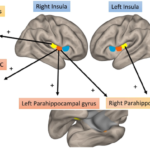
A study by Mikolajczak and colleagues found that 10.2% of patients with PsA reported subjective cognitive decline or brain fog, as determined by patient reports of problems with thinking, confusion, memory disturbance and forgetfulness. The frequency was 3% in patients with minimal disease activity (MDA) and 16% in those not in MDA. Those with subjective cognitive decline also had more comorbidities, including fibromyalgia, fatigue, anxiety and depression.

This study supports data from other rheumatic disease populations in demonstrating the impact of systemic inflammatory disease on neuropsychologic function; such effects may be a manifestation of so-called neuroinflammation. In the clinical context, these findings are important in promoting a more global treatment approach based on pharmacologic and non-pharmacologic therapies. Given the clinical complexity of such symptoms as brain fog, use of adjunctive psychological testing may be useful in defining symptomatology.

ad goes here:advert-1
ADVERTISEMENT
SCROLL TO CONTINUE

11. Perimenopause & Disease Activity

Eder et al., Abstract 171411

The influence of male-female differences on the signs and symptoms of inflammatory arthritis has long been a subject of great interest in rheumatology, especially because many rheumatic diseases are female predominant. Usually, studies assess differences between men and women on various disease features or biomarkers, although some studies divide the female population into pre- and postmenopausal groups. The situation is more complicated, however, because the perimenopausal period may have its own biology in terms of endocrinologic and immunologic changes.

In this study, Eder and colleagues analyzed 477 patients over a mean of 12.1 years. Interestingly, only 1.5% of patients received hormone replacement therapy at any time. As the data indicated, a rise in the DAPSA (Disease Activity in PsA) score was found during the perimenopausal years. Higher tender and swollen joint counts also occurred in the perimenopausal period compared with both pre- and postmenopausal periods.

ad goes here:advert-2
ADVERTISEMENT
SCROLL TO CONTINUE

These are important observations with implications for both pathogenesis and management. Although effects of sex hormones on immune responses have long been studied, future research should explore more precisely the array of hormones and their downstream effects during the interval before and after menopause. With respect to management, a key issue relates to role of hormonal replacement. This is always a complicated issue but these findings suggest it is worth another look.

12. Identifying Patients with Early PsA

Martin et al., Abstract 010712

Enthesopathy is a prominent feature of PsA, but often difficult to assess clinically. As suggested by data in this study, elastography (EL) may provide a useful way to evaluate more decisively disease-related changes in the Achilles tendon. EL is an imaging technique that can determine the response of a tendon to mechanical force that may result from changes in the elastic properties of tendon structures from inflammation or damage.


Page: 1 2 3 4 5 6 7 8 9 | Single Page
Share: 

Filed under:ACR ConvergenceConditionsMeeting ReportsPsoriatic Arthritis Tagged with:ACR Convergence 2025ACR Convergence 2025 - PsAAxial Psoriatic Arthritis (axPsA)inflammatory bowel disease (IBD)Obesity

Related Articles

    The Heterogeneity of Psoriatic Arthritis

    November 21, 2023

    SAN DIEGO—Differences between psoriatic arthritis and rheumatoid arthritis highlight the need for the development of imaging modalities, laboratory tests and other biomarkers that are explored and validated specifically for PsA to advance the goal of personalized or precision medicine. In this article, expert David S. Pisetsky, MD, PhD, explores the top research in psoriatic arthritis presented at ACR Convergence 2023.

    Top Research in Psoriatic Arthritis Presented at ACR Convergence 2024

    November 26, 2024

    Editor’s note: What research on psoriatic arthritis (PsA) presented at ACR Convergence 2024 has the greatest potential for a positive impact on clinical care, treatment options or serve as the basis for future research? That’s the question The Rheumatologist asked David S. Pisetsky, MD, PhD—our founding editor—to consider. Dr. Pisetsky, a professor of medicine and immunology…

    Psoriatic Arthritis: Advances in Therapeutics, Imaging & More Presented at ACR Convergence 2022

    December 1, 2022

    PHILADELPHIA—Selecting my top 10 picks for abstracts in psoriatic arthritis (PsA) at the ACR Convergence 2022 meeting was not easy because there was a great deal to review and learn from the 139 abstracts submitted to the meeting. I focused first and foremost on advances in therapeutics that encompassed both new and approved therapeutics, novel…

    Case Report: A Psoriatic Arthritis Patient with Dactylitis & Enthesitis

    September 20, 2018

    A 36-year-old woman presented at the Johns Hopkins Arthritis Center for a second opinion regarding a diagnosis of psoriatic arthritis (PsA). One year prior to our evaluation, she had developed pain and stiffness in her hands, feet, knees, ankles, elbows and shoulders. She had mild plaque psoriasis of the scalp and base of the neck,…

  • About Us
  • Meet the Editors
  • Issue Archives
  • Contribute
  • Advertise
  • Contact Us
  • Copyright © 2025 by John Wiley & Sons, Inc. All rights reserved, including rights for text and data mining and training of artificial technologies or similar technologies. ISSN 1931-3268 (print). ISSN 1931-3209 (online).
  • DEI Statement
  • Privacy Policy
  • Terms of Use
  • Cookie Preferences