CPPD diagnosis is difficult & treatments are limited. Experts review radiology challenges, off-label options like colchicine, & emerging biologics.

CPPD diagnosis is difficult & treatments are limited. Experts review radiology challenges, off-label options like colchicine, & emerging biologics.
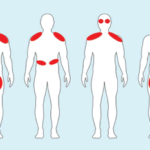
Immune mediated inflammatory myopathies represent a heterogenous group of diseases with variable degrees of multisystem involvement, including the skin, joints, lungs, and muscles. The ACR Convergence 2025 session, Management of Challenging Cases in Myositis, featured a case-based approach to highlight this complexity, guiding attendees through the nuances of diagnosis and management of antisynthetase syndrome, immune mediated necrotizing myopathy, and dermatomyositis.

Dr. David Pisetsky curated the research presented at ACR Convergence 2025 and answers the question “What new research on psoriatic arthritis has the potential to impact patient care or future research?”

The FDA has accepted a biologics license application for nano-encapsulated sirolimus with pegylated-adricase (NASP), a combination treatment designed to reduce serum uric acid levels in patients with uncontrolled gout.
The early initiation of biologic disease-modifying anti-rheumatic drugs (DMARDs) may reduce the overall disease burden in patients with polyarticular juvenile idiopathic arthritis (pJIA), according to findings from Ringold et al.
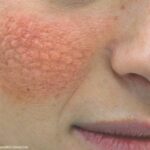
SLE treatment is rapidly evolving as new therapies are developed & approved. Here are 10 key insights for clinicians.

Four past ARP presidents mark the organization’s 60th anniversary by examining its evolution alongside significant challenges & opportunities in the field.

With no FDA-approved drugs for Sjögren’s disease, experts share strategies for managing fatigue, arthritis, dryness, and systemic issues.
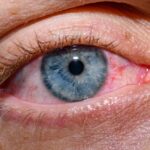
Sjögren’s dry eye requires collaboration between rheumatologists and ophthalmologists for optimal patient management and treatment of this quality-of-life issue.
A study from Peene et al. found that patients with primary Sjögren’s disease experienced significant improvements in systemic disease activity and symptoms when treated with intravenous efgartigimod alfa-fcab.