During ACR Convergence 2023, experts discussed developments in the treatment and diagnosis of osteoporosis, addressing risks of treatment discontinuation, the use of bone turnover markers in patient assessment and vitamin D.

During ACR Convergence 2023, experts discussed developments in the treatment and diagnosis of osteoporosis, addressing risks of treatment discontinuation, the use of bone turnover markers in patient assessment and vitamin D.
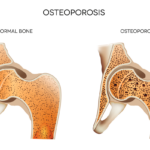
The ACR recently released an update on the prevention and treatment of glucocorticoid-induced osteoporosis.1 The guideline, which includes information on the new therapies abaloparatide and romosozumab, emphasizes the importance of shared decision making by patients and clinicians, and also gives information on the importance of sequential therapy after stopping certain osteoporotic prevention therapies. Fracture Prevention…

PHILADELPHIA—At ACR Convergence 2022, the much-anticipated ACR Review Course featured talks from eight experts. Topics reflected the heterogeneity of our field and included Sjögren’s disease, spondyloarthritis (SpA), osteoarthritis (OA), paraneoplastic rheumatic syndromes, metabolic bone disease, statin myopathy, Raynaud’s phenomenon and autoinflammatory syndrome. Here, I share highlights from this comprehensive, six-hour session. Sjögren’s Disease Sara S….

ATLANTA—The ACR released a summary of its updated guideline for the Prevention and Treatment of Glucocorticoid-Induced Osteoporosis in September. Many patients take glucocorticoids for a variety of inflammatory conditions, and anyone who is taking glucocorticoid medications and has other risk factors for osteoporosis increases their risk of developing glucocorticoid-induced osteoporosis. New osteoporosis medications and new…

Using three complicated patient cases, Kenneth G. Saag, MD, MSc, shared his expertise on osteoporosis and walked through his thought process and the literature, during a session of the 2022 ACR Education Exchange.
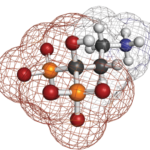
It is well known that hip fractures are associated with significant morbidity and mortality: Mortality increases 15–25% in the year following a hip fracture.1–5 We know that treating osteoporosis prevents fractures and improves patient survival. But is there a relationship beyond this? Several studies have found that bisphosphonate therapy is associated with a reduction in…

Medication-related osteonecrosis of the jaw (MRONJ) is a condition that manifests as exposed, necrotic and non-healing jaw bone in patients who have been treated with bisphosphonates, denosumab, chemotherapeutic agents, anti-angiogenic drugs, tyrosine kinase inhibitors, thalidomide and steroids.1-4 These medications are administered via intravenous, subcutaneous and oral routes to manage osteopenia; osteoporosis; hypercalcemia of malignancy; bone…

The ACR Review Course featured eight talks providing a practical review of issues encountered by rheumatologists.
New diagnostic approaches combined with new evidence about pathogenesis are providing opportunities to help rheumatologists manage calcium pyrophosphate deposition disease.

In case you missed it, on Nov. 20, the Centers for Medicare & Medicaid Services (CMS), a department within the U.S. Department of Health and Human Services, announced that it will overhaul the payment system for Medicare Part B (i.e., infusion) drugs on Jan. 1, 2021. The plan is called the Most Favored Nation (MFN)…