In light of the release of the ACR’s new gout guideline, it’s not surprising that 50 abstracts of studies on various aspects of gout were accepted at ACR Convergence 2020. Here, we highlight just a few:
Search results for: heart disease

Reflections on Starting a Rheumatology Fellowship During the Pandemic
Some have opined, cynically, that transformative changes will not come to medical education and training, and to healthcare, until pigs fly. Well, in 2009–10, “swine flu,” and now we are in the midst of an unprecedented and disruptive pandemic, affecting virtually all aspects of our lives, including fellowships.1 As someone who started a rheumatology fellowship…

Conquering Systemic Racism in Medicine
2020 has not only borne witness to a global pandemic, but also to increasing fervor in the fight for racial equity. In a wave of opposition to the systemic racism in the U.S., people have been in the streets demonstrating and protesting against social injustice and have taken to social media to promote political action….

Ultrasound Provides Insights into Immune Checkpoint Inhibitor‐Induced Inflammatory Arthritis
Ultrasound may provide unique insights into the effects of immune checkpoint inhibitors on the human body beyond the immune system. Research suggests synovitis and inflammatory tendon involvement are commonly seen in patients with immune checkpoint inhibitor-induced inflammatory arthritis.

Measuring & Preventing Diagnostic Errors
In a December 2019 editorial in the Journal of the American Medical Association, the implications of diagnostic error were explored through the story of two parents, both medical professionals, who sought a diagnosis for their sick child.1 Their son saw specialist after specialist and underwent repeated procedures, but for years was left without an explanation…

Biologics May Prevent Cardiovascular Events in RA Patients
RA patients experience a higher rate of cardiovascular disease (CVD) events than controls. In a new study, Karpouzas et al. determined that current biologic disease-modifying anti-rheumatic drug use is associated with reduced long-term CVD risk, protective calcification of noncalcified lesions and a lower likelihood of new plaque formation in patients with early atherosclerosis.
Case Report: What’s Causing This Severe Case of Rhabdomyolysis?
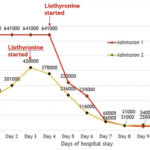
Rhabdomyolysis is a clinical syndrome characterized by muscle tissue necrosis and release of intramuscular components into the circulation. Typical manifestations include muscle pain and myoglobinuria, causing dark urine. Serum creatinine kinase (CK) enzyme levels are usually markedly elevated. Severity can range from muscle enzyme elevation in the serum of an otherwise asymptomatic patient to extremely…

The Problem with Peer Review
I should have paid more attention in medical school. If I had, I might have remembered enough about basic pathophysiology to know why everyone was suddenly pulling their patients off of lisinopril. For those of you who need a quick primer: When the pressure in the renal artery drops, the kidney secretes renin. Working together,…
U.S. Hip Fracture Incidence Declines with Reductions in Smoking & Drinking
(Reuters Health)—Age-adjusted hip fracture incidence has declined in the U.S. over the past four decades, aided by a decline in smoking and alcohol consumption, a new study suggests. Researchers examined data on 4,918 men and 5,634 women who participated in the prospective Framingham Heart Study from 1970 to 2010. Overall, the age-adjusted incidence of hip…

The ACR Is Helping Rheumatology Practices Meet COVID-19 Challenges
These are difficult times for rheumatologists. We have seen sharp declines in face-to-face patient visits since the COVID‑19 pandemic began. Many of us have questions about the best ways to maintain employee and patient safety while keeping our practices afloat and continuing to provide optimal care. The volunteer leaders at the ACR continue to care…
- « Previous Page
- 1
- …
- 41
- 42
- 43
- 44
- 45
- …
- 84
- Next Page »