Updating the last iteration in 1999, the new ACR Guideline for Management of SLE was unveiled at ACR Convergence 2025, providing rheumatologists an organ-based approach for therapeutic options for specific lupus manifestations.
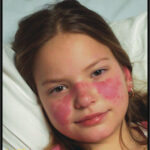
Updating the last iteration in 1999, the new ACR Guideline for Management of SLE was unveiled at ACR Convergence 2025, providing rheumatologists an organ-based approach for therapeutic options for specific lupus manifestations.
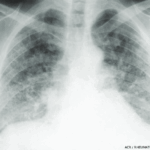
In a recent Arthritis & Rheumatology review article, three experts discuss the use of immunosuppressants to target B cells in a patient with systemic sclerosis-interstitial lung disease.

Experts addressed considerations for how to aid patients with juvenile idiopathic arthritis (JIA) in their transition to adult care, specifically highlighting clinical pearls for those with pediatric uveitis and TMJ arthritis.

CPPD diagnosis is difficult & treatments are limited. Experts review radiology challenges, off-label options like colchicine, & emerging biologics.

At ACR Convergence 2025, Joan T. Merrill, MD, overviewed the current research landscape of chimeric antigen receptor (CAR) T cell therapies for systemic lupus erythematosus (SLE), raising important scientific questions about these emerging treatments.

The Review Course at ACR Convergence 2025 provided a comprehensive update for practitioners. Highlights from the sections on cutaneous manifestations of rheumatic diseases, gout, macrophage activation syndrome and vasculitis.

The Review Course at ACR Convergence 2025 provided a comprehensive update for practitioners. Highlights from the sections on SLE and lupus nephritis, inflammatory brain diseases, drug management of rheumatic diseases and mimics of inflammatory myopathies.
Using data from registries across Europe and Canada, Aymon et al. compared the incidence of major adverse cardiac events (MACE) in patients with RA treated with JAK inhibitors, TNF inhibitors or biologic DMARDs with other modes of action over two years. The researchers did not find an increased risk of MACE with JAK inhibitors over that time frame.

Over 50% of patients with systemic sclerosis (SSc) develop interstitial lung disease (ILD), and rheumatologists have long recognized this major cause of morbidity and mortality.1 Sindhu R. Johnson, MD, PhD, professor of medicine at the University of Toronto, Canada, and director of the Toronto Scleroderma Program, notes that more recent studies have increased our awareness…
As the program enters its third round of negotiations, ACR members should be aware of several upcoming changes relevant to rheumatology.