A case study of a 7-year-old girl who is eventually diagnosed with anti-MOG autoimmune encephalomyelitis highlights the necessity of a multi-disciplinary approach to inflammatory brain disease…

A case study of a 7-year-old girl who is eventually diagnosed with anti-MOG autoimmune encephalomyelitis highlights the necessity of a multi-disciplinary approach to inflammatory brain disease…

After a study investigated if hydroxycholoroquine (HCQ) benefits COVID-19 patients, the drug—used to treat SLE and RA patients—began running out in pharmacies around the U.S. ACR leaders have asked the FDA to increase monitoring of the HCQ supply…

ATLANTA—With more than 3,000 abstracts from 103 countries presented at the 2019 ACR/ARP Annual Meeting in November, it was impossible for attendees to view them all. However, two ACR/ARP veterans—Arthur Kavanaugh, MD, from the University of California, San Diego, and John Cush, MD, from UT Southwestern Medical School, Dallas—chose to tackle the nearly impossible task and…

ATLANTA—New drug approvals, new and expanded drug indications, and important safety and other updates relevant for rheumatologists were presented by three physicians from the U.S. Food & Drug Administration (FDA) on Nov. 11 at the 2019 ACR/ARP Annual Meeting. New JAK Inhibitor Approved for RA On Aug. 16, 2019, the FDA approved upadacitinib (Rinvoq), an…

Reproductive health can be a concern for patients with rheumatic diseases, and practitioners in both rheumatology and obstetrics/gynecology often work closely together. The 2020 ACR Guideline for the Management of Reproductive Health in Rheumatic and Musculoskeletal Diseases, new clinical recommendations developed by an ACR-convened group for pregnant women, post-menopausal women, lactating women, and women and…

The evidence-based guideline includes contraceptive recommendations and suggestions for rheumatologists co-managing patients with obstetrician-gynecologists and other specialists.

Learn what RISE has to offer and how it’s growing.
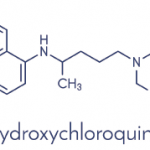
The Johns Hopkins Lupus Center, Baltimore, has described its experience using hydroxychloroquine (HCQ) levels.1 Forty-four percent of its patients had levels below 500 ng/mL (partial nonadherence); 13% were severely nonadherent (<200 ng/mL). They were shown their results and educated on HCQ adherence. Adherence then improved to 80%; those with lower HCQ levels had higher disease…

Last year, the FDA was busy with new biologic and other drug approvals, new and expanded drug indications, and important safety updates relevant to rheumatology…

A recent study is the first to examine pragmatic language skills in patients with systemic lupus erythematosus (SLE), finding that approximately half of SLE patients have pragmatic language dysfunction…