A recent study demonstrated that exposure to type I interferon contributes to the pathogenesis of SLE via the metabolic rewiring of CD8+ T cells, which promotes cell death.

A recent study demonstrated that exposure to type I interferon contributes to the pathogenesis of SLE via the metabolic rewiring of CD8+ T cells, which promotes cell death.
Current Procedural Terminology (CPT) codes 99446–99449 were created in 2014 to capture the time spent by a consultant who is not in direct contact with the patient at the time of service. An interprofessional telephone/internet consultation (ITC) is defined as an assessment and management service in which a patient’s treating provider (e.g., primary or qualified…

In spring 2020, as it became obvious that COVID-19 wasn’t going anywhere anytime soon, the leaders of the Rheumatology Research Foundation implemented an expedited process to distribute research funding beyond its typical awards program. This resulted in the Foundation awarding $1.65 million to fund five research studies that will look at the relationships between rheumatic…

A 26-year-old Peruvian woman presented to the emergency department of a large teaching hospital in Lima, Peru, with epistaxis and hematomas that had occurred over the preceding few days; she was found to have severe thrombocytopenia and a normocytic, normochromic anemia. She was treated with pulse doses of methylprednisolone; however, within two days, she presented…

We know a large percentage of the U.S. population falls into a vaccine-hesitant group. In fact, only 60% of Americans plan to be vaccinated against COVID-19, according to an article in The Atlantic.1 Given that rheumatology patients are among the vulnerable, we asked a handful of ACR/ARP members whether they have been vaccinated themselves and…
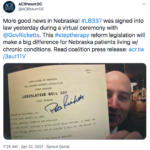
The new Twitter account enables quick communication between ACR advocacy staff and ACR/ARP members about the policies, regulations and legislation that affect rheumatology patients and providers and how members can get involved.
FDA News Release—On April 16, saying that alternative monoclonal antibody therapies authorized to treat patients with COVID-19 remain available, the U.S. Food and Drug Administration revoked the emergency use authorization (EUA) that allowed for the investigational monoclonal antibody therapy bamlanivimab, when administered alone, to be used for the treatment of mild-to-moderate COVID-19 in adults and…

Nearly all adolescents and young adults (AYAs) with chronic pediatric rheumatic disease require transfer of care to an adult rheumatologist, yet almost half are lost from care at the time of transfer.1-3 Although sometimes framed as a discrete event, transition refers to the longitudinal process, often spanning several years, in which AYAs and their families…

As we emerge from the grips of a global pandemic, we are taking this opportunity to pause and reflect on the ARP and what our division brings to the care of our patients. I found the words of Amanda Gordon’s inaugural reading of her poem, “The Hill We Climb,” inspirational and instructive for our past,…
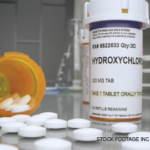
Since 1991, hydroxychloroquine (HCQ) has been a staple for the treatment of patients with systemic lupus erythematosus; it has been shown to improve survival, reduce cardiovascular risk, thrombosis and renal damage, delay or prevent lupus cerebritis and more. However, HCQ can potentially bind in the retinal pigment epithelium and cause degeneration of photoreceptors, leading to…