During ACR Convergence 2023, experts discussed developments in the treatment and diagnosis of osteoporosis, addressing risks of treatment discontinuation, the use of bone turnover markers in patient assessment and vitamin D.

During ACR Convergence 2023, experts discussed developments in the treatment and diagnosis of osteoporosis, addressing risks of treatment discontinuation, the use of bone turnover markers in patient assessment and vitamin D.

SAN DIEGO—In recent years, the recognition of nr-axSpa has helped identify the cause of back pain in many patients previously without a diagnosis. However, questions remain about how to avoid under- or over-diagnosing the condition. In the session titled, Pearls and Pitfalls in Diagnosing Non-Radiographic Axial Spondyloarthritis, several speakers provided high-yield insights on this topic. Diagnostic challenges, imaging options and mimics to watch for were among the specific points of discussion.

SAN DIEGO—During ACR Convergence 2023 on Nov. 11, the ACR honored a group of individuals who have made significant contributions to rheumatology research, education and patient care by announcing the recipients of the ACR’s 2023 Awards of Distinction, as well as the 2023 ACR Masters who were recognized for their contributions to the field.
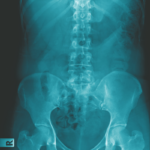
During the 19th Annual Johns Hopkins Advances in the Diagnosis and Treatment of the Rheumatic Diseases Symposium, Dr. Atul Deodhar provided an overview on axial spondyloarthritis (axSpA) and non-radiographic axSpA, with helpful insights into the diagnosis and care of patients with these conditions.

At the 19th Annual Advances in the Diagnosis and Treatment of the Rheumatic Diseases course, Dr. Michelle Petri gave a presentation concerning the overall state of lupus treatment outcomes in the U.S.
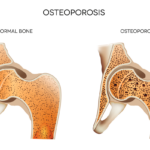
The ACR recently released an update on the prevention and treatment of glucocorticoid-induced osteoporosis.1 The guideline, which includes information on the new therapies abaloparatide and romosozumab, emphasizes the importance of shared decision making by patients and clinicians, and also gives information on the importance of sequential therapy after stopping certain osteoporotic prevention therapies. Fracture Prevention…
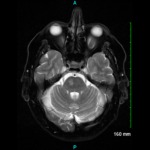
Thromboembolic events are major contributors to the morbidity and mortality of patients with giant cell arteritis (GCA), but little is known about how GCA may increase the risk of ischemic strokes. GCA-related stroke is described as an ischemic cerebral infarct occurring within three to four weeks of GCA diagnosis and treatment. It occurs in 3–7%…

There was a time when medical textbooks were the ultimate resource for information in the field. The modern age of the U.S. medical textbook began in the 1920s and was fully established by the 1960s. Internal medicine saw the appearance of textbooks by Russell Cecil (1927) and Tinsley Harrison (1950), with specialty textbooks by Goodman…
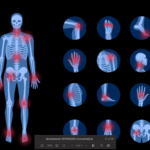
Granulomatosis with polyangiitis (GPA) is a primary, necrotizing granulomatous vasculitis, involving small- to medium-sized arteries, that causes systemic disease. Almost any organ can be affected, but the most affected systems are the upper airways, lungs, kidneys, eyes and peripheral nerves. Migratory polyarthritis is reported in approximately 25% of patients with anti-neutrophil cytoplasmic antibody (ANCA) associated…

I vividly recollect asking my physics professor for a letter of recommendation. I sat in the front row of his lectures and visited his office hours most weeks in the semester. He turned me down because he was “too busy.” I was devastated—and panicked about asking my next choice for letter writer. On the plus…