NEW YORK (Reuters Health)—Too many women who aren’t at risk for osteoporosis are being screened for the disease, and too many women who don’t need osteoporosis treatment are getting it, new research suggests. “In our health system the overtreatment of osteoporosis was common, and this was partly due to the fact that a lot of…
Search results for: hip fracture
Rheumatology Coding Corner Answer: Coding for Acute Flare of Idiopathic Gout
Take the challenge. M10.072—Acute gout has an Excludes 1 note of chronic gout (M1A.-). This means that acute gout and chronic gout cannot be coded for the same encounter, as the codes are mutually exclusive. M45.6—The patient is diagnosed with ankylosing spondylitis of the lumbar region. M81.8—Other osteoporosis without current pathological fracture. M79.622—The patient has…

Best Practices for Treating Non-Specific Low Back Pain
Low back pain (LBP) is one of the most common reasons for physician appointments. However, treatment results remain suboptimal, resulting in high rates of chronic pain, narcotic usage, surgery, depression and disability—all at great cost to individuals and the nation. One reason for this is the current practice of grouping all low back pain patients…
Rheumatology Coding Corner Question: Coding for Post-Traumatic Osteoarthritis
Post-Traumatic OA A 70-year-old female patient comes in for a follow-up visit for pain and stiffness in her left hip. She injured her hip in a skiing accident three years before and reports the X-rays at that time showed no fractures. Due to no obvious fracture at the time, she was given ibuprofen and advised…

Rheumatologist Steven S. Overman Reflects on His Last Day of Practice, Future of Specialty
I am a few weeks post-retirement. Having written thank you notes and completed urgent home projects, I swing in a hammock at our currently fire-threatened cabin north of Winthrop, Wash., and reflect. I feel like a young boy while freely flipping pages of a hand-scribed picture book, The Principles of Uncertainty, by Maira Kalman. She…

FDA Issues Stronger Nonsteroidal Anti-Inflammatory Drugs (NSAIDs) Warning
The U.S. Food and Drug Administration (FDA) has toughened the existing warnings for nonsteroidal anti-inflammatory drugs (NSAIDs) due to their stroke and myocardial infarction (MI) risk increase.1 Due to a continual review of these products, FDA is requiring label updates for all prescription NSAIDs. Over-the-counter (OTC) NSAIDs already list the increased risk of MI and…
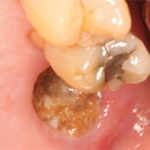
Diagnosis, Management of Medication-Induced Osteonecrosis of the Bone
Prior to the widespread use of bisphosphonates for the management of osteoporosis, multiple myeloma and metastatic cancer to the skeletal system, osteonecrosis of the jawbones was an infrequent condition seen after radiation for oral cancers (osteoradionecrosis) and in chronic odontogenic infections.1 Since the mid-2000s, osteonecrosis of the jawbones has been noted to occur as a…
Bone Loss Common in Suspected Spondyloarthritis
NEW YORK (Reuters Health)—More than 40% of patients with early inflammatory back pain suggestive of axial spondyloarthritis (SpA) show bone loss over the course of two years, according to French researchers. SpA is known to be associated with bone loss at the spine and the hip and an increased risk of vertebral fractures. To investigate…

FDA Issues Warning for Joint Pain from Diabetes Drugs
Severe and disabling joint pain has been connected to the use of dipeptidyl peptidase-4 inhibitors and combination therapies for diabetes, prompting a new FDA warning…
New Labeling for Infused Golimumab; Phase 3 Trial for Romosozumab Promising
The FDA has approved new labeling for infused golimumab to include measures of mental and physical health. Plus romosozumab meets primary endpoints in postmenopausal women with osteoporosis during a Phase 3 trial…
- « Previous Page
- 1
- …
- 18
- 19
- 20
- 21
- 22
- …
- 28
- Next Page »