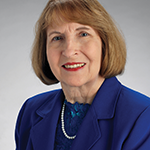
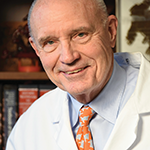
Another audience question dealt with how doctors can maintain their professional identities as healthcare system and societal changes continue to evolve what it means to be a physician. To this, the panelists recommended staying grounded in one’s core values, advocating on behalf of the well-being of patients and trainees whenever feasible, and staying connected with colleagues to share stories of success and failure.
In addressing this question, Dr. Pisetsky reflected on his lifelong passion for writing, something he feels has increased his powers of observation and allowed him to express himself. In a recent book on master clinicianship, he wrote, “The journey to being a doctor is long and arduous. It is a passage filled with ritual, myths and mystery. The journey does not end with medical residency or fellowship. It is lifelong, continuous and forever forges new ways of thinking, builds empathy and, in the collaboration of patient and physician, can instill grace, equanimity and compassion.”1 (Editor’s note: Dr. Pisestsky took the time to review the plethora of research presented on psoriatic arthritis at ACR Convergence 2025 and shares his thoughts on what stood out here.)
In Sum
Judging by the engagement of the audience, it’s clear that attendees will take these sentiments with them back to their clinics, hospitals and conversations with young rheumatologists in training, who—with support and guidance—will become the master clinicians they aspire to be.
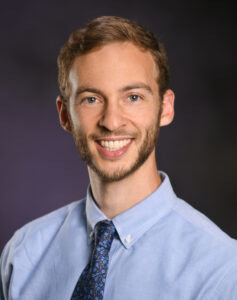
Jason Liebowitz, MD, FACR, is an assistant professor of medicine in the Division of Rheumatology at Columbia University Vagelos College of Physicians and Surgeons, New York.
Reference
- Bolster MB, Liebowitz JE, Seo P, eds. Masterclass in Medicine: Lessons from the Experts. CRC Press. 2024 Oct:122–129.