A 38-year-old female patient returns to the practice for the second of three hyaluronate sodium injections of the left knee. The patient states the pain is somewhat better after her last injection. Her weight is 165 lbs., her height is 5 feet 6 inches, and her blood pressure is 120/81. After discussing the risks of…
Search results for: hip OA

Rheumatology Research Foundation Recognizes Donors of Merit
On Nov. 12, nearly 150 supporters of the Rheumatology Research Foundation gathered at the St. Regis Washington, D.C., for the Donors of Merit recognition dinner. This annual event honors those who contributed to the Foundation throughout the year. Foundation President Eric Matteson, MD, MPH, applauded leaders who have played an essential role in the Foundation’s success….

Obesity & Rheumatic Disease
“Obesity is an inflammatory state, so it is in the landscape of the rheumatologist,” says Christopher Ritchlin, MD, MPH. And the more attention rheumatologists pay to obesity, the better…
New GAC Chair Picks up the Baton
It’s an honor and a thrill to be the next chair of the Government Affairs Committee. Boy, do we have a big year ahead.
RISE Registry Promises to Improve Care & Research for Rheumatology
In 2014, the ACR launched the Rheumatology Informatics System for Effectiveness (RISE), a national electronic health record (EHR)-enabled registry. The goal: To help participating rheumatologists and practices leverage the new wave of big data created by the use of EHR, advance research and improve overall quality of care. A new analysis examines the RISE structure and the initial patient data collected by the registry…
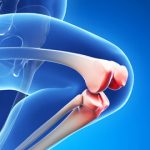
New Insights into the Structure of Collagen Fibril
A study of knee and hip articular cartilage found that thick fibers were bundles of thin fibrils—like a multi-thread rope in which each thread corresponds to a prototypic sub-fibril. The organization of the fibers also differed between the cartilages of distinct tissues, which may explain how a breakdown in the fiber pattern contributes to pathology…

New ARHP President Shares Her Story
Back in 1999, Afton Hassett, PsyD, attended her first ACR/ARHP Annual Meeting, after receiving the suggestion from Leonard Sigal, MD, a professor of medicine in the Division of Rheumatology at Rutgers University’s Robert Wood Johnson Medical School (RWJMS). Since 2003, Dr. Sigal has served as a volunteer Clinical Professor at the school. At the time, Dr….
A Glimpse into the Life of New ACR President, Dr. Sharad Lakhanpal
Born and raised in Lucknow, India, Sharad Lakhanpal, MBBS, MD, vividly remembers his father’s stories of traveling to the U.S. As a young boy, he grew intrigued, imagined living here and knew that someday he would narrate his own adventures about this country. As president of the ACR and a practicing rheumatologist at Rheumatology Associates…
Health Policy Resolutions from the AMA House of Delegates 2016 Interim Meeting
This year’s interim meeting of the American Medical Association (AMA) House of Delegates (HOD) took place Nov. 12–15, just days after the national election that, in 2017, will usher in a GOP-led Congress and presidential administration. “It was a highly interesting meeting,” says Gary Bryant, MD, FACP, associate professor of medicine and rheumatology at the University…
Effect of Diet & Sodium Intake on Serum Uric Acid
Serum uric acid (UA) is an important factor in the causal pathway for gout. It has also been implicated as a potential risk factor and/or mediator of cardiovascular disease outcomes and mortality in a large number of observational studies. Although many of the clinical trials targeting serum UA reduction have focused on pharmacologic interventions, diet…
- « Previous Page
- 1
- …
- 215
- 216
- 217
- 218
- 219
- …
- 337
- Next Page »