(Reuters)—Alphabet Inc.’s Google signed its biggest cloud computing customer in healthcare yet, according to an announcement on Monday, gaining with the deal datasets that could help it tune potentially lucrative artificial intelligence tools. The Wall Street Journal earlier reported Google teaming up with Ascension to collect personal health-related information of millions of Americans across 21…
Search results for: machine learning

Draft Guidelines & Recommendations for Juvenile Idiopathic Arthritis
CHICAGO—The treatment of patients with juvenile idiopathic arthritis (JIA) is historically directed by clinical subtype. During a session at the 2018 ACR/ARHP Annual Meeting, speakers addressed the biological classification and treatment of JIA, discussing draft guidelines and recommendations, the impact of computer modeling on identifying JIA subtypes and subgroups of chronic arthritis. Guidelines & Recommendations…

These Digital Tools Aren’t Just Hype, Can Actually Help Rheumatologists
CHICAGO—Every minute, it seems, a new digital tool is introduced in medicine. Whether it’s a new digital measuring stick, a new data-crunching system or a new app, the tech tools form an endless convoy of options. But are they worth it? Will they really help you do your job better? Will they help patients feel…

How Advances in Artificial Intelligence May Aid Rheumatology
From digital scribes to predictive pharmacology—as artificial intelligence advances, technology has a lot to offer medicine. What opportunities lie ahead for rheumatologists and their patients?

The 2018 ARHP Merit Awards & ACR Distinguished Fellows
CHICAGO—At the 2018 ACR/ARHP Annual Meeting in October, the ACR and the ARHP honored a group of distinguished individuals who have made significant contributions to rheumatology research, education and patient care. This month, The Rheumatologist speaks with the winners of the ARHP Merit Awards about their individual contributions to advancing rheumatology. You’ll also find interviews…

Study Finds Correlations Between Synovial Tissue & Gene Expression
Rheumatoid arthritis (RA) can be typed, grouped and categorized in different ways, and subgroup identification could help guide future research and treatment strategies based on which subtypes respond to which treatment. A new study explored an approach associating gene expression profiling with histologic analysis of synovium samples to define RA subtypes and then examined how…

Have We Reached the Limits of Clinical Classification?
There is an old adage that there are two types of people—lumpers and splitters. For some, people are easily categorized into liberal vs. conservative, Democrat vs. Republican, Donald Trump supporter vs. Hillary Clinton supporter. For others, everyone is a snowflake, and what makes us different is much more important than what makes us the same….

2017 ACR/ARHP Award Winners Advance Rheumatology, Part 1
SAN DIEGO—At the 2017 ACR/ARHP Annual Meeting in San Diego last month, the ACR and the ARHP honored a group of distinguished individuals who have made significant contributions to rheumatology research, education and patient care. This month, The Rheumatologist speaks with the ACR winners about their individual contributions to advancing rheumatology. In coming issues, we…
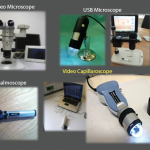
Rheumatologists Find Nailfold Capillaroscopy an Increasingly Useful Diagnostic Tool
Interest in viewing the nail capillaries dates to the late 17th century. Later research by Maurice Raynaud and others in the late 19th and early 20th century first established a direct link between the nailfold capillaries and certain medical conditions. Although underutilized in the past, with the advent of modern digital equipment and the validation…
fMRI Can Help Diagnose Fibromyalgia
Brain imaging can distinguish fibromyalgia patients from healthy controls with high sensitivity and specificity, according to two papers published nearly simultaneously in Pain late last summer, by groups at the Universities of Colorado and Michigan, respectively. Somewhat surprisingly to the authors and others, in the Colorado study, which used both painful and nonpainful stimuli, the…
- « Previous Page
- 1
- …
- 3
- 4
- 5
- 6
- 7
- …
- 9
- Next Page »