Experts offered perspectives on how symptoms of rheumatic disease, such as fatigue, affect the physical, cognitive and emotional health of patients and offered solutions.
Search results for: psychosocial

Palliative Care for Inclusion Body Myositis, a Case Report
“Our patients’ goals for their care aren’t always the same as ours. We’re typically focused on disease control, and they’re often focused on quality of life. Having ongoing discussions about care goals is the only way to know when it’s time to switch gears. Would you know when to refer your patients to palliative care?…

Let’s Define Undifferentiated Connective Tissue Disease
Undifferentiated connective tissue disease (UCTD) is a diagnosis given to patients who do not fulfill current classification criteria for named connective tissue diseases (CTD)—systemic lupus erythematosus (SLE), rheumatoid arthritis (RA), systemic sclerosis (SSc), or Sjögren’s disease—but who nonetheless have clinical signs and symptoms and serological evidence of autoimmune CTDs. In 1980 LeRoy et al. were…

When Rheumatologists Have Rheumatic Diseases
“I think we learn from medicine everywhere that it is, at its heart, a human endeavor, requiring good science but also a limitless curiosity and interest in your fellow human being, and that the physician-patient relationship is key; all else follows from it.”1 These profound words from Abraham Verghese, MD, MACP, Linda R. Meier…

Beyond the Rheumatologist: Interprofessional Alliances Are Crucial to Rheumatic Care
How can we ensure patients are receiving care that addresses all of the ways rheumatic disease affects their life? In this ACR Convergence 2023 session, experts discuss the value of a strong interprofessional care team.

New Ways to Think about Polymyalgia Rheumatica
As they usually are, the pediatrics are absolutely correct: A child is not just a little adult. The same can be said for the eldest among us: Senior citizens are more than just old adults; they have their own biopsychosocial considerations that we, as rheumatologists, must tend to. Among all the conditions that we find…

The 2023 ARP Merit Awards
SAN DIEGO—During ACR Convergence 2023 in November, the ACR and the ARP honored a group of distinguished individuals who have made significant contributions to rheumatology research, education and patient care. This month, The Rheumatologist profiles the recipients of the ARP Merit Awards and ARP Master class, recognizing outstanding contributions to the field of rheumatology. The…
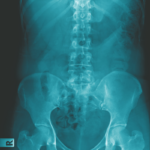
Concerning the Back: Updates in AS & nr-axSpA
During the 19th Annual Johns Hopkins Advances in the Diagnosis and Treatment of the Rheumatic Diseases Symposium, Dr. Atul Deodhar provided an overview on axial spondyloarthritis (axSpA) and non-radiographic axSpA, with helpful insights into the diagnosis and care of patients with these conditions.

Why Mental Health Screening Is Essential for Patients with Psoriatic Disease
Research suggests that patients with psoriasis and psoriatic arthritis (PsA) have a greater risk of depression, anxiety and, in some cases, substance abuse and dependence than the general population, yet symptoms often go unrecognized and untreated by medical professionals. Both psoriasis and PsA are associated with depression, with up to 30% of patients in either…

The ACR & ARP Relaunch the Advanced Rheumatology Course
The ACR and the ARP are preparing to relaunch the Advanced Rheumatology Course (ARC) with a fresh look and an enhanced format to facilitate the learner experience. Since its debut, the ARC, formerly the Nurse Practitioner and Physician Assistant Postgraduate Rheumatology Training Program, has been a valuable resource for hundreds of nurse practitioners (NPs), physician…
- « Previous Page
- 1
- 2
- 3
- 4
- 5
- …
- 15
- Next Page »