ACR Convergence 2025| Video: Rheum for Everyone, Episode 26—Ableism

An official publication of the ACR and the ARP serving rheumatologists and rheumatology professionals

  • Conditions
    • Axial Spondyloarthritis
    • Gout and Crystalline Arthritis
    • Myositis
    • Osteoarthritis and Bone Disorders
    • Pain Syndromes
    • Pediatric Conditions
    • Psoriatic Arthritis
    • Rheumatoid Arthritis
    • Sjögren’s Disease
    • Systemic Lupus Erythematosus
    • Systemic Sclerosis
    • Vasculitis
    • Other Rheumatic Conditions
  • FocusRheum
    • ANCA-Associated Vasculitis
    • Axial Spondyloarthritis
    • Gout
    • Lupus Nephritis
    • Psoriatic Arthritis
    • Rheumatoid Arthritis
    • Sjögren’s Disease
    • Systemic Lupus Erythematosus
  • Guidance
    • Clinical Criteria/Guidelines
    • Ethics
    • Legal Updates
    • Legislation & Advocacy
    • Meeting Reports
      • ACR Convergence
      • Other ACR meetings
      • EULAR/Other
    • Research Rheum
  • Drug Updates
    • Analgesics
    • Biologics/DMARDs
  • Practice Support
    • Billing/Coding
    • EMRs
    • Facility
    • Insurance
    • Technology
      • Information Technology
      • Apps
    • QA/QI
    • Workforce
  • Opinion
    • Patient Perspective
    • Profiles
    • Rheuminations
      • Video
    • Speak Out Rheum
  • Career
    • ACR ExamRheum
    • Awards
    • Career Development
      • Education & Training
    • Certification
  • ACR
    • ACR Home
    • ACR Convergence
    • ACR Guidelines
    • Journals
      • ACR Open Rheumatology
      • Arthritis & Rheumatology
      • Arthritis Care & Research
    • From the College
    • Events/CME
    • President’s Perspective
  • Search

Search results for: pediatric rheumatology

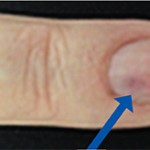
Figure 2: The nail bed shows some discoloration.

3 Cases of Glomus Tumor—An Unusual Cause of Hand Pain

Abraham Chaiton, MD, MSc, FRCPC, RhMSUS, & Maggie Larché, MBChB, MRCP, PhD  |  May 13, 2016

Hand and digit pain are common presenting symptoms to primary care physicians, rheumatologists, physiatrists and neurologists. There are many causes, but quality and location of the pain can be important clues to the diagnosis. Glomus tumors, neurovascular hamartomas of the glomus body, are an uncommon cause of hand pain. The glomus unit itself is a…

Filed under:Conditions Tagged with:Diagnosisglomus tumorhand painrheumatology

State of RheumPAC: 2015 Annual Report

Harry L. Gewanter, MD  |  May 13, 2016

Dear Friends and Colleagues, With your strong support and commitment, RheumPAC has grown again for the eighth straight year, allowing us to do even more on your behalf. Not only did we exceed our original goal by raising more than $150,000. More importantly, these donations came from nearly 350 ACR and ARHP members—a new record….

Filed under:Legislation & AdvocacyProfessional Topics Tagged with:AC&RAdvocacyAssociation of Rheumatology Professionals (ARP)rheumatologistRheumPAC

Diagnostic Imaging in Patient with Chronic Left Ankle Pain: Findings

Cianna Leatherwood, MD, & Derrick J. Todd, MD, PhD  |  April 15, 2016

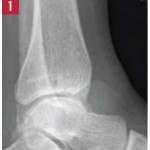
Radiographic imaging showed circumferential soft tissue swelling of the ankle with a soft-tissue density seen in the tibiotalar and posterior subtalar joints, as well as a large, lobulated effusion. MRI of the left ankle shows cystic changes within the talus and first cuneiform bones, as well as a lobulated abnormal soft tissue density with low…

Filed under:ConditionsSoft Tissue Pain Tagged with:anklediagnosticfootimagingMRIPainradiographyrheumatologyswelling

Infliximab Biosimilar Receives FDA Approval

Michele B. Kaufman, PharmD, BCGP  |  April 6, 2016

The FDA has officially approved an infliximab biosimilar for the treatment of multiple autoimmune diseases, including rheumatoid arthritis, psoriatic arthritis and ankylosing spondylitis. Prescribing information is now available…

Filed under:Biologics/DMARDsDrug Updates Tagged with:FDAFood and Drug Administrationinfliximabinfliximab-dyyb

2015 ACR/ARHP Annual Meeting: How to Identify, Manage Metabolic Myopathies & Their Mimics

Thomas R. Collins  |  March 15, 2016

SAN FRANCISCO—An athletic 19-year-old male has an episode of rhabdomyolysis, a breakdown of muscle tissue that leads to contents of muscle fiber in the blood, after weight-lifting and basketball drills. But his labs come back normal. He cuts down on his exercise, but has a second episode four months later, then finally sees a rheumatologist…

Filed under:ConditionsMeeting ReportsMyositisSoft Tissue Pain Tagged with:2015 ACR/ARHP Annual MeetingAmerican College of Rheumatology (ACR)DiagnosismetabolicmuscleMyopathymyositispatient carerheumatologist

Currier McEwen, MD, Remembered as Rheumatologist, Hybridizer of Flowers

Kathleen Ferrell, PT, MLA, & Richard Brasington, MD  |  March 15, 2016

Currier McEwen, MD, was a truly remarkable rheumatologist, accomplishing more than even the best of us could imagine. He is even more recognized in the horticulture community as a hybridizer of flowers. He was born Osceola Currier McEwen on April Fool’s Day, 1902, in Newark, N.J., and died in 2003, at the age of 101….

Filed under:Profiles Tagged with:hobbyIn Memoriamrheumatologist

Blogging Basics Rheumatologists Should Know

Karen Appold  |  February 16, 2016

To blog or not to blog? As a rheumatologist, you may have pondered this question. Perhaps getting some insight from rheumatologists who already blog and a professional blog writer may help you find the answer. Obviously, if you devoted time to blogging you would want it to be beneficial. For Paul Sufka, MD, rheumatologist, HealthPartners,…

Filed under:Professional TopicsTechnology Tagged with:BlogsGuidelinesonlinephysicianSocial MediaTechnologytips

Diagnostic Imaging in Lupus Patient with Foot Pain: Findings

Cianna Leatherwood, MD, & Derrick J. Todd, MD, PhD  |  January 19, 2016

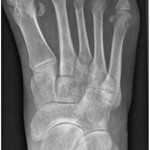
View the question. Findings/Diagnosis An anteroposterior (AP) radiograph of the right foot shows hallux valgus of the first metatarsal phalangeal (MTP) joint, erosive changes at the first and fifth metatarsal bones and degenerative changes at the fourth and fifth metatarsal-cuboid joints. An AP radiograph of the left foot shows extensive erosive and degenerative changes at…

Filed under:ConditionsSoft Tissue PainSystemic Lupus Erythematosus Tagged with:deformitydiagnosticfootimagingLupusPainSLESystemic lupus erythematosusUltrasound

Disease Duration, Corticosteroid Use Predict Etanercept Response in JIA

Reuters Staff  |  January 16, 2016

NEW YORK (Reuters Health)—Almost half of juvenile idiopathic arthritis (JIA) patients treated with etanercept achieve minimal disease activity after one year of treatment, according to new findings. Younger patients and those who did not require corticosteroid treatment were more likely to have an excellent response, Dr. Kimme Hyrich of the University of Manchester in the…

Filed under:ConditionsDrug UpdatesOther Rheumatic ConditionsPediatric Conditions Tagged with:Anti-TNFCorticosteroidsetanerceptjuvenile idiopathic arthritis (JIA)Pediatric

The Lupus Initiative Launches Cohorts & Partnerships to Reduce Health Disparities & Improve Outcomes

From the College  |  December 23, 2015

The Lupus Initiative (TLI) of the American College of Rheumatology (ACR) continues its work to reduce the health disparities for people with lupus through multiple, national-level, grant-funded projects, targeting primary care physicians with lupus education to increase appropriate rheumatology referrals and—when necessary, appropriate and effective—distance-managed care. Since 2009, the ACR has received funding through the…

Filed under:ConditionsFrom the CollegeSystemic Lupus Erythematosus Tagged with:AdvocacyAmerican College of Rheumatology (ACR)LupusLupus InitiativeThe Lupus Initiative (TLI)

  • « Previous Page
  • 1
  • …
  • 81
  • 82
  • 83
  • 84
  • 85
  • …
  • 98
  • Next Page »
  • About Us
  • Meet the Editors
  • Issue Archives
  • Contribute
  • Advertise
  • Contact Us
  • Copyright © 2025 by John Wiley & Sons, Inc. All rights reserved, including rights for text and data mining and training of artificial technologies or similar technologies. ISSN 1931-3268 (print). ISSN 1931-3209 (online).
  • DEI Statement
  • Privacy Policy
  • Terms of Use
  • Cookie Preferences